Customer service for security companies that win
Customer service is what security clients renew on. Teach officers to greet, know the building, enforce rules by explaining them, and measure how it lands.

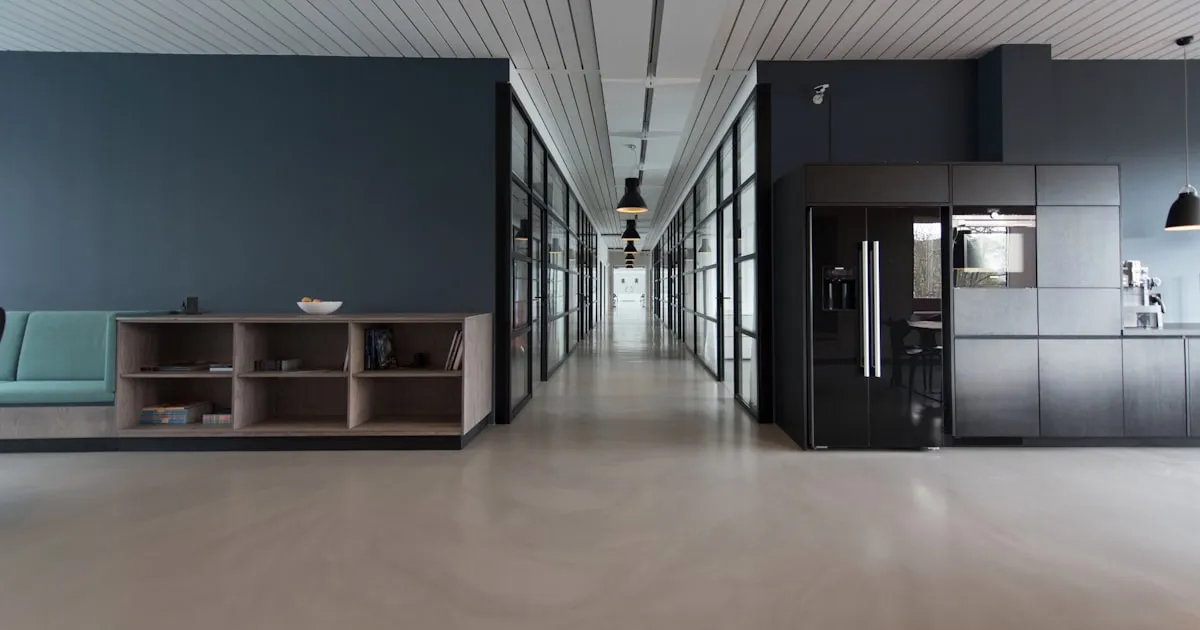
Your lobby officer speaks to more people before lunch than your account manager does all quarter. Every exchange gets reported back to the person who signs your contract. Customer service, not patrol records, is what saves the account.
Clients renew on two things: whether the site is secure and how your officers treat the people who use it. Train service as an explicit skill, not an assumed one. Greet, know the building, solve rather than escalate, and enforce rules by explaining them. Then measure it by asking clients directly, because most will not volunteer a small complaint until renewal.
Why does service decide the renewal?
Because on paper, every guard company looks the same. Same license, same insurance, similar rates, comparable post orders. What actually differs is the experience of walking past your officer at 8:15 on a Monday.
Complaints accumulate quietly. A property manager rarely calls about one abrupt exchange with a tenant. They log it. Three or four of those become the reason cited when the contract goes out to bid, and by then you are answering for something you never heard about.
Referrals work the same way in reverse. Property managers talk to each other constantly, and the sentence that wins you a new building is almost never about patrol completion. It is "our guys are great with our tenants."
What clients ask for, when you ask them directly, is short and consistent: officers who look professional, treat people as residents rather than suspects, respond fast, keep them informed without being chased, and handle a situation instead of creating a second one. That is also most of what holds an account, which keeping the clients you already have covers in full.
What does good service look like on post?
It is teachable, and it does not come naturally to everyone. Security work can push in the opposite direction if nobody corrects for it.
Acknowledge everyone. A nod and a good morning changes the whole character of the lobby. Officers who watch people walk past without a word read as surveillance, whatever their intent.
Know the building. The single highest-value skill on a lobby post. An officer who can say "Suite 340, third floor, turn left off the elevator" without checking a sheet has just made the visitor's morning easier and saved a tenant a phone call. An officer who cannot has told everyone he is new.
Finish what you start. If you do not know the answer, find who does. If you said you would check on the parking gate, come back and say what happened. Half a service interaction is worse than none, because it created an expectation.
Look the part. Appearance argues for competence before anyone speaks. Uniform standards are not a vanity item, and guard uniform standards covers what actually matters versus what is theater.
Keep the personal stuff off post. Phone down, no complaining about the schedule where a tenant can hear it, no gossip about the building. Every one of those is a small withdrawal from the client's confidence.
Who are you actually serving?
Three groups, with different needs.
Tenants see your officer daily and want to be recognized. Learning names is the cheapest loyalty mechanism in this business. Someone who has walked past the same desk for two years and is still asked for ID every morning has concluded something about your officer's attention.
Visitors arrive as strangers, often late and slightly lost. Warmth and procedure are not in conflict here: greet, explain the sign-in briefly, keep it fast, point them the right way. They carry that impression into the meeting upstairs, which is exactly why the tenant company cares. A clear visitor management SOP makes it consistent across every officer on the rotation.
Property management is the client. They want to hear about the broken gate arm from you at 7am, not from a tenant at 9. They want their requests acknowledged the same day. And they want you to understand what they are being judged on, because a manager measured on tenant satisfaction wants different things from your officers than one measured on operating cost. Feeding that back in writing is what client reports that win renewals is about.
How do you stay firm and still be helpful?
This is the whole skill. Enforcement without hostility.
Explain the reason. "I need to see ID because the tenants asked us to log everyone after hours" gets compliance far more often than "policy." People argue with rules and cooperate with reasons.
Offer the next step instead of stopping at no. The contractor without an appointment is not turned away; he is walked to the phone to call the tenant who forgot to put him on the list. Same outcome for security, completely different experience.
Be consistent, because inconsistency is what generates complaints. An officer who waves people through on Tuesday and checks badges on Thursday has made every check feel arbitrary and personal.
And know which mode you are in. Suspicious behavior, a live safety issue, a real policy breach or an emergency: security wins, immediately and without apology. A visitor confused by the kiosk, a tenant who left a badge at home, a minor procedural slip with no risk attached: service wins. Most of the shift is the second category, and officers who treat all of it as the first are the ones generating complaints.
Put the boundary in writing rather than leaving it to judgment. That is what post orders that work are for, and it is where an officer should be able to look up whether tailgating gets a conversation or a report.
The failure mode nobody plans for is the opposite one. An officer so eager to be liked that they stop enforcing anything is a bigger liability than a brusque one, and it is harder to spot because nobody complains.
How do you teach it, and how do you know it worked?
Teach it explicitly, in the same block as patrol procedure, not as a paragraph in the handbook.
Building this into onboarding rather than bolting it on later is covered in building a guard training program, and the observation half belongs in your post inspections.
Then measure. Track complaints, obviously, but track compliments too, because a log with only complaints in it tells you nothing about whether things are improving. Ask clients in the quarterly review specifically about guard interactions rather than about service generally. And walk your own lobbies unannounced at 8am occasionally.
Ask about officer interactions in every account review, by name and by post. Most clients will not raise a small annoyance on their own, and the ones they never mention are the ones that surface in the renewal decision.
One more thing worth saying plainly. Service quality tracks turnover almost exactly. An officer on their third week does not know the building, does not know the tenants, and cannot be warm and correct at the same time yet. If your service scores are poor, look at how long people are staying before you look at the training deck: cutting guard turnover and hiring better in the first place are usually the real levers.
Key Takeaways
- Clients renew on how officers treat people, not only on patrol records
- Knowing the building is the highest-value skill on a lobby post
- Explain the reason behind a rule and offer the next step instead of stopping at no
- Most of the shift is service. Reserve hard enforcement for real risk, and be consistent
- Log compliments as well as complaints, and ask clients about officers by name
Continue Reading

Client retention for security guard companies
Client retention starts long before renewal. Spot the warning signs, prove the value all year, and open the renewal conversation 90 days out.
How to measure guard turnover in your own company
No agency publishes a guard turnover rate. Calculate your own, split it by tenure to find the ninety-day cliff, and cost one departure from your own ledger.

Client reporting that wins security renewals
Daily, weekly and monthly client reports each answer a different question. How to structure them, what to lead with, and how to build them from patrol data.