
Industry News
8 min
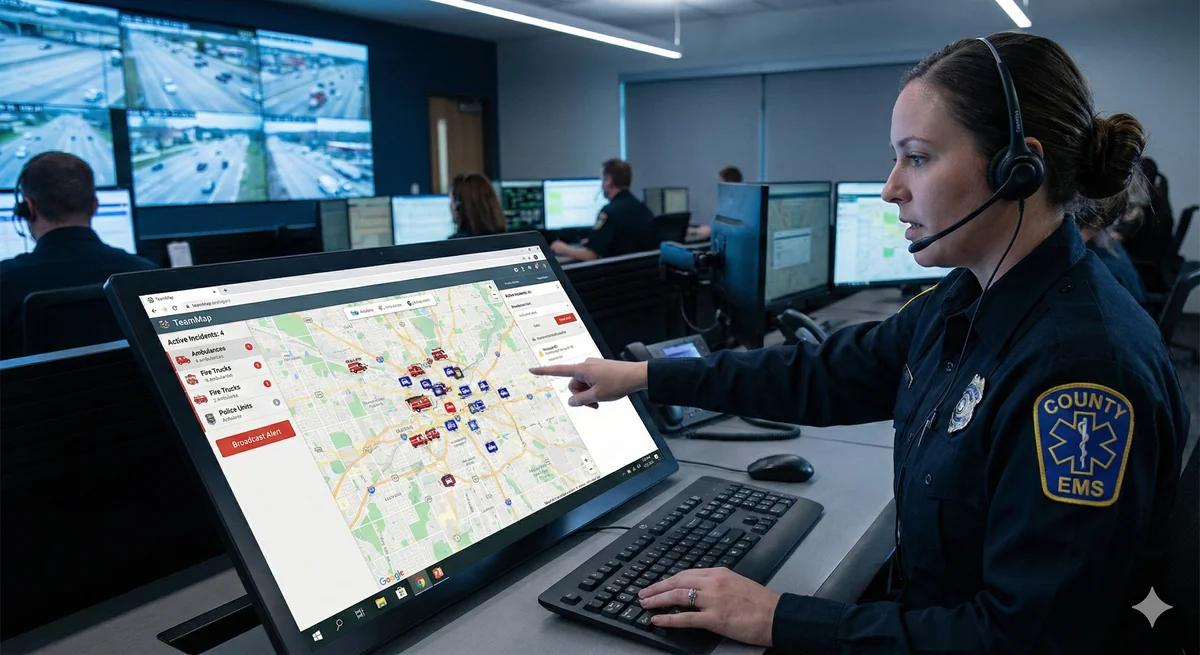
Video analytics for security monitoring teams
Video analytics turn cameras into sensors: what detection, recognition and behavior tools can really do, why false alarms kill deployments, and the privacy law.

TeamMap·
Pay, licensing, insurance, and the market forces that move the guarding business.
Video analytics turn cameras into sensors: what detection, recognition and behavior tools can really do, why false alarms kill deployments, and the privacy law.
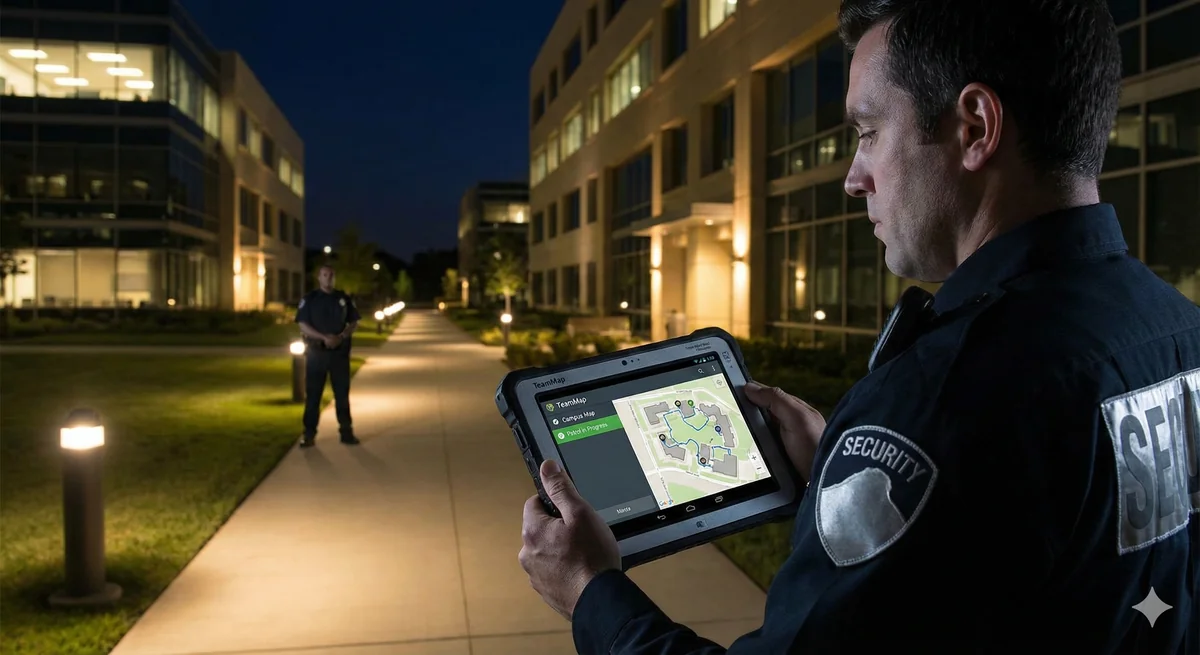
Which FDACS class to file, what goes in the Class D and Class G applications, the fees set in statute, and how the two-year and three-year renewals work.

Eight security guard software platforms compared on features, published pricing and who each one fits, with every claim linked to its source.

What a New York guard license takes: 8 hours pre-assignment, 16 on the job, 8 in-service a year, the armed track, and what the employer has to file.

Security patrol robots observe, record and alert but cannot intervene. What Knightscope and Boston Dynamics publish, realistic runtime, and where a robot fits.

Scheduling, payroll, checkpoint proof, guard safety and pricing side by side, sourced to published vendor pages, with where each one is the stronger fit.

The guard shortage is churn, not demand. Where the pay gap comes from, when guards actually quit, and the staffing fixes that hold a roster together.

Checkpoint methods, dispatch, payroll and pricing compared from Trackforce published pages, plus which of the two fits a small guard company better.

The order to do it in: Power to Arrest course, Live Scan prints, the BreEZe filing, then the training that runs on the clock once you are registered.

Where a security drone beats a guard on foot, what FAA Part 107 requires of the pilot and aircraft, and the recording consent you need before the first flight.
What Chapter 493 requires for a Class D and a Class G: the 40 and 28 training hours, the disqualifiers, and the annual firearms requalification.

What belongs in a security guard benefits package, in order: health insurance, paid time off, a retirement match, and how to price each into your bill rate.
Five TrackTik alternatives compared on published pricing, checkpoint proof and back-office scope. Every figure comes from the vendor site itself.
Security operations trends for 2026: guard pay now matches warehouse work, clients buy reporting in the RFP, and paper is still the real technology gap.

What DPS requires at each Texas security license level, from the Level II course everyone takes to the 45-hour Level III commission and the Level IV track.

Check every officer against the free TOPS search rather than the card, track the two renewal clocks separately, and report status changes to DPS on time.
Set up QuickBooks for a guard company: which plan gives you class tracking, sites as sub-customers, labor allocation, and the reports that change decisions.
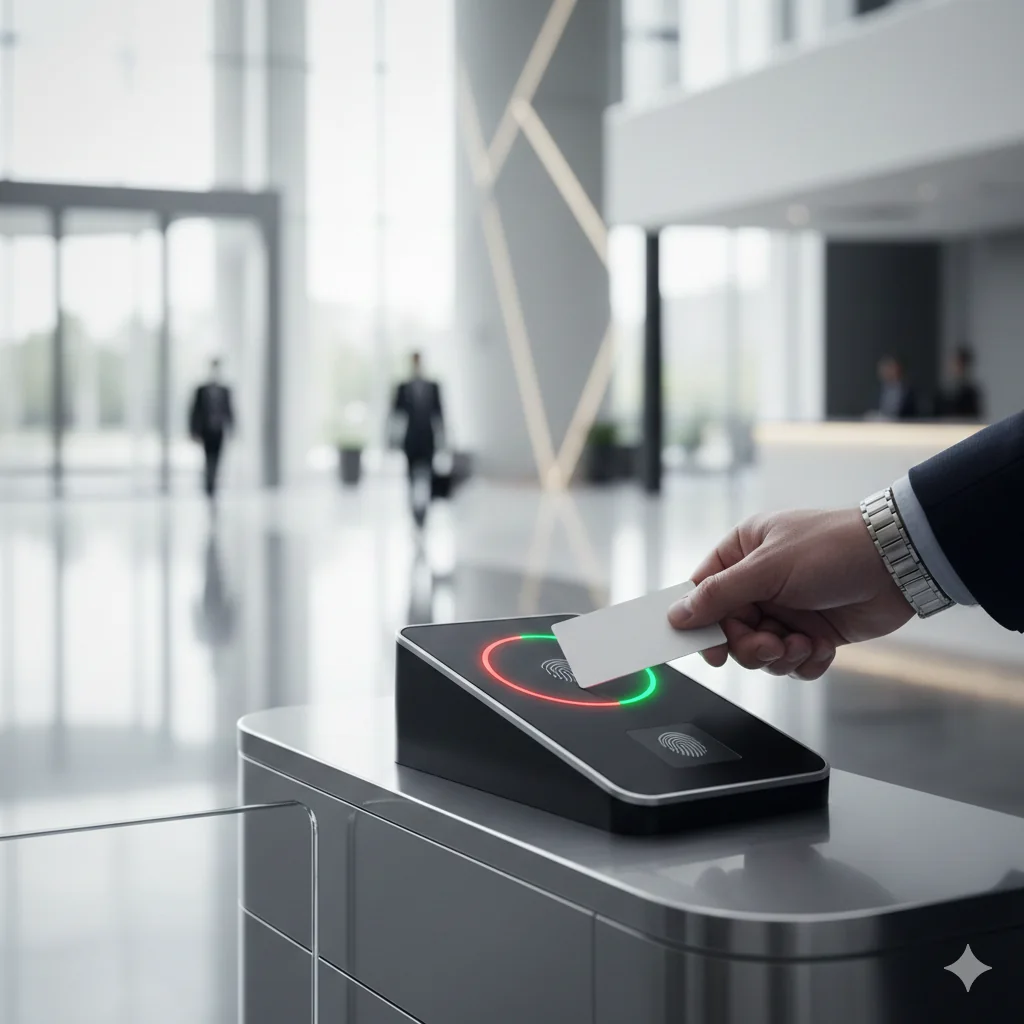
Who needs a California guard card, the 8 and 32 training hours BSIS sets, the 8 hours a year after that, and the separate firearm and baton permits.

Security guard pay rates start at the BLS median of $18.29 an hour. Where to pull your own state figure, what moves a rate, and how it sets your bill rate.
Billing for security services without the collection calls: contract terms, defensible hours, an invoice that survives accounts payable, and timed follow-up.
Security payroll done right: multiple pay rates per week, weighted-average overtime, defensible time records, and the deductions the law will not let you take.
Client retention starts long before renewal. Spot the warning signs, prove the value all year, and open the renewal conversation 90 days out.

Fewer states require a surety bond than you think. What a bond guarantees, which states ask for one, what the premium depends on, and how to stay bonded.

The five policies a guard company carries, what each excludes, and why the state minimum in California or Texas is nowhere near what a client contract asks.
ACA compliance when half your roster hovers near 30 hours: the ALE test, the look-back method, 2026 penalty amounts, and the 1095-C filing deadlines.

Live monitoring backed by a patrol officer who can be dispatched. Which clients it fits, where it fails, what to build, and four ways to price it.
Property managers scan a security company website for four things: coverage area, service fit, license and insurance, and a phone number that works.

Referrals alone are not a pipeline. Security company marketing that works: a site buyers can verify, local search, reviews, referrals and targeted outbound.

How to run a security company SWOT analysis in an afternoon, rank what matters, and pair the quadrants into four decisions you can act on.

Buyers want proof a patrol happened. Put GPS-verified routes and same-day reports in the bid, demo them live, and answer a cheaper offer with evidence.
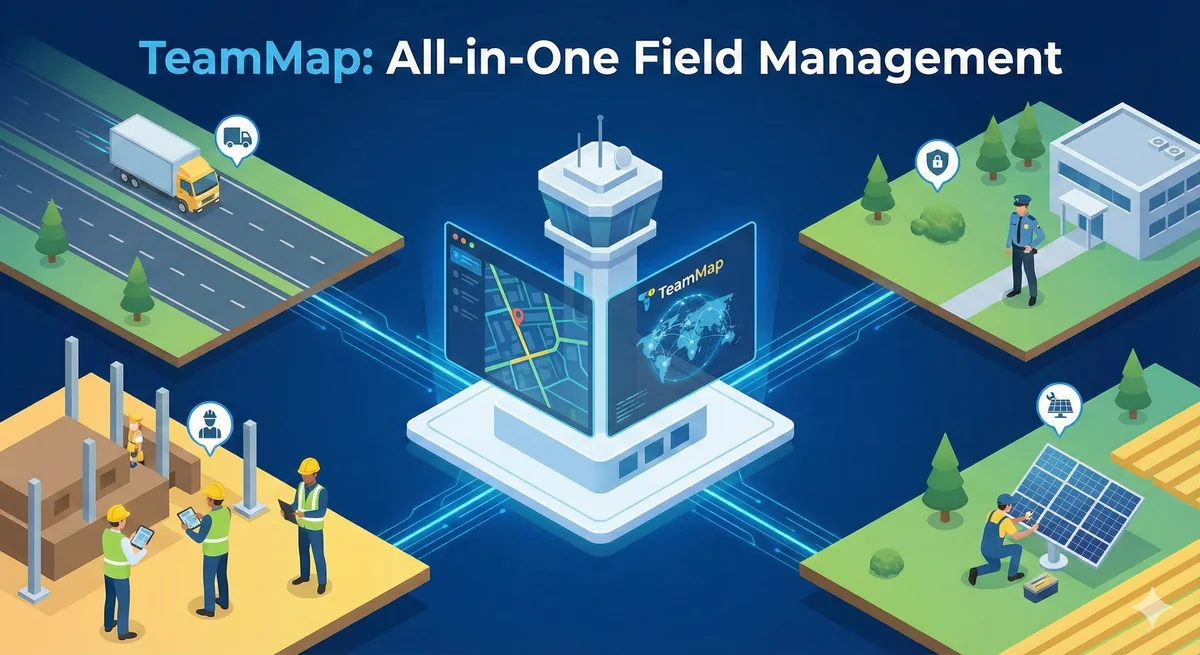
Work out security guard software ROI from your own payroll: overtime, admin hours, retention, and the costs vendors leave off the slide.
Professional liability insurance pays your defense when a client says your guards failed. What E&O covers, claims-made dates, and what tail coverage costs.

A mobile patrol app comparison of TeamMap, Trackforce, GuardsPro and OfficerReports: published prices, checkpoint methods, and how to run a real trial.
The separate company license, the firearms permit each officer carries, the coverage most carriers exclude, and the training that keeps you out of court.
What a security guard service agreement must cover: scope, rates, term, insurance, liability caps, and the clauses that decide who pays.

Remote monitoring for residential security: what it replaces, when it fails, how to price the response, and what to tell the board first.

Modern access control systems compared: mobile credentials, biometrics and Bluetooth unlock, with the legal duties and rollout traps of each.
Licensing, entity setup, insurance, the paperwork and the first contract, in the order you have to do them to get a guard company trading.
Wage, payroll burden, overhead and margin, in that order. Work out your real break-even per hour, then pick a billing model and a rate you can defend.
Eight sections sized for a guard company, including the financial model where labor cost per billable hour decides whether a margin exists at all.
Workers' compensation for guard companies: NCCI class codes, the experience modifier, and why pay-as-you-go fixes cash flow without cutting your rate.

Shift schedule design for guard posts: the coverage math for a 24/7 site, 8 against 12 hour shifts, and the rotation patterns that hold a roster together.
General liability insurance for security companies: what limits clients and states require, which exclusions bite, and how to get quotes worth comparing.

Mobile patrol fleet management: buy for the route, service on the odometer, run a pre-shift inspection, and track cost per mile before you quote a route.