Florida guard license requirements: Class D and Class G
What Chapter 493 requires for a Class D and a Class G: the 40 and 28 training hours, the disqualifiers, and the annual firearms requalification.

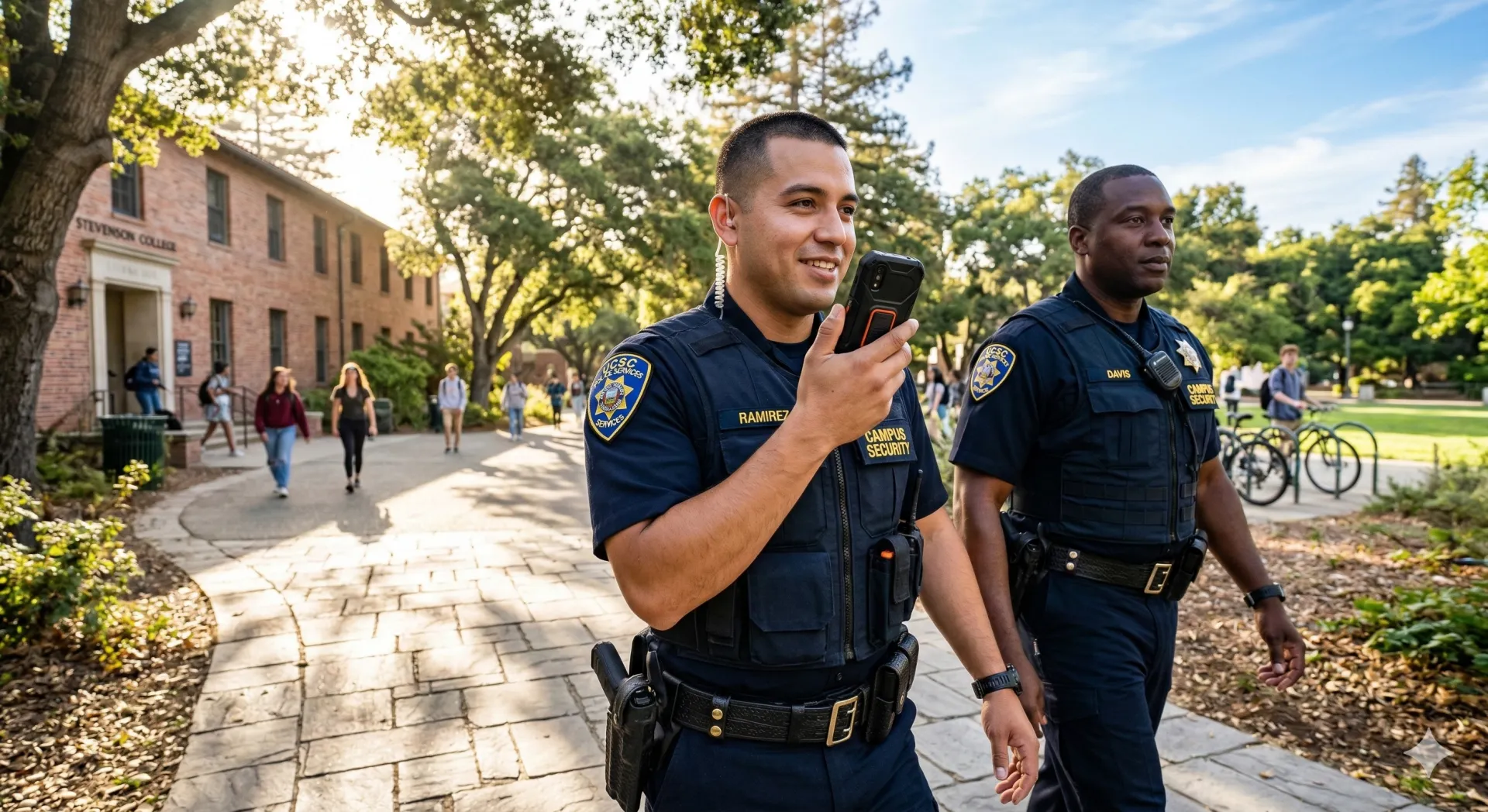
Two licenses cover almost everyone working security in Florida. Class D lets you work. Class G lets you carry. Everything else on the FDACS list is a school, an instructor, a manager or the company itself.
Class D is the unarmed credential: 18 years old, authorized to work in the US, 40 hours at an FDACS-licensed school. Class G is the statewide firearm license and sits on top of it: 28 hours, at least 8 in person on a range, no more than 20 online. Class G holders then requalify 4 hours a year with a Class K instructor, per type and caliber carried.
Every number here is cited to Chapter 493, Florida Statutes, or to an FDACS page. Statutes are amended. Confirm the current text before you rely on it, and if you are working through how to actually file, the Florida license application walkthrough covers the forms, the fees and the order of operations.
What does a Class D license require?
The Class D is what Florida requires of any individual performing the services of a security officer. Retail, corporate lobby, gated community, festival gate. Same license.
Class D eligibility, per FDACS
- At least 18 years old
- A citizen or legal resident alien of the United States, or granted authority to work here
- Proof of a minimum of 40 hours of professional training from an FDACS-licensed security officer school
- Fingerprints and a color photograph submitted with the application
The 40 hours are set in section 493.6303, which requires proof of completion at a school or training facility licensed by the department. The statute permits either in-person or live online instruction, with the instructor verifying identity and completion.
FDACS lists exemptions on its Class D requirements page, including current law enforcement officers, certain criminal justice certifications, qualifying military training and licensed instructors.
FDACS does not publish an hour-by-hour subject breakdown of the 40 hours on that page. The department sets the curriculum by rule and a licensed Class DS school builds the course to it. Get the syllabus from the school in writing. What your officers learn beyond the state floor is your product anyway, and that is a training program decision, not a licensing one.
What does a Class G license require?
Class G is the armed credential. Only Class D, Class M or Class MB licensees are permitted to bear a firearm, so the Class G never stands alone.
Section 493.6105(5) is unusually specific about the training, which is helpful because it means nobody has to guess.
| Requirement | What the statute says |
|---|---|
| Total training | 28 hours of range and classroom training |
| Delivery | Taught by a Class K licensee, in person or by live online instruction through a secure website with identity and completion verified |
| In-person minimum | At least 8 hours of in-person range training, including safe handling and storage |
| Online cap | No more than 20 hours in an online classroom |
| Fee | $150, set in section 493.6107 |
Note what the statute does not do. It sets no caliber or firearm type restriction at the training stage. The type-and-caliber constraint arrives at renewal instead, which is covered below and is the part that trips up officers who change duty weapons mid-license.
Is the Class G different from a "statewide firearm license"?
No. They are the same thing. Chapter 493 names the Class G as the statewide firearm license when it sets the $150 fee, and no separate statewide endorsement appears anywhere in the list of classes FDACS issues.
This matters because officers get told they need "the Class G, then the statewide" and go hunting for a second course that does not exist. One license, held alongside a Class D, and it is an individual license rather than something the agency holds on their behalf.
What disqualifies a Florida applicant?
Broad disqualifiers get quoted a lot. Section 493.6106 is narrower and more specific than most summaries suggest, and both of its drug and alcohol provisions are rebuttable.
- Controlled substances. Commitment for controlled substance abuse, or a finding of guilt under chapter 893, within the three years before applying. Rebuttable by showing you are not currently abusing and have completed a rehabilitation course.
- DUI. Two or more convictions under section 316.193, or an equivalent out-of-state law, within the same three-year window. Same rebuttal.
- Status. Citizenship, permanent legal residency, or USCIS work authorization, with documentation that varies by class.
An applicant who has one of these in their history is not automatically out. They need the rehabilitation documentation ready at the point of application rather than after a denial, which is a hiring conversation worth having early. See how to hire security guards for where this fits in the sequence.
What keeps a Class G current?
An annual obligation inside a two-year license, which is where lapses happen. Under section 493.6113 the holder must show, for each year of the license period, a minimum of 4 hours of firearms requalification training taught by a Class K licensee. The statute goes further: requalification is required for each type and caliber of firearm carried during regulated duties, though an instructor may cover up to two calibers in one 4-hour class if the licensee completes training for each firearm. Renewal terms and the filing itself are in the Florida license application walkthrough.
Read that last clause again if you issue duty weapons. An officer qualified on one platform and then moved to another has to requalify on the new one. This is the requirement that quietly goes stale between audits, and tracking certifications before they expire is the only thing that catches it in time.
The statute also allows waiver of firearms training for applicants who are active law enforcement or federal law enforcement officers, or who hold certain firearm certificates with documented requalification training.
What is the employer on the hook for?
Two things, and the first has a deadline most operators do not know about.
- Report employment and termination within 15 calendar days. Section 493.6112(2) requires each agency to report the employment or termination of a licensee to the department within 15 calendar days, and in the case of termination, to report the reason.
- Hold the requalification evidence. The 4 hours are the officer's obligation and your exposure. Keep the Class K instructor's documentation on file, per officer, per weapon type.
Florida is an easier state to enter than California or New York, which shows up in how crowded the market is. The floor is a floor, not a differentiator. What separates operators is what happens after licensure, and what you pay decides who stays long enough to be worth training. If you are comparing states, Texas runs a tiered system that works differently again.
Key Takeaways
- Class D: 18 years old, work authorization, 40 hours at an FDACS-licensed school. In person or live online.
- Class G: 28 hours under a Class K licensee, at least 8 on a range. $150 fee in statute.
- Class G is the statewide firearm license. There is no separate endorsement to add.
- The drug and DUI disqualifiers run on a three-year window and both are rebuttable with rehabilitation documentation.
- Class G requalifies 4 hours a year per type and caliber carried. Employers report hiring and termination within 15 days.
Continue Reading
How to apply for a Florida security guard license
Which FDACS class to file, what goes in the Class D and Class G applications, the fees set in statute, and how the two-year and three-year renewals work.

New York guard license: registration and training
What a New York guard license takes: 8 hours pre-assignment, 16 on the job, 8 in-service a year, the armed track, and what the employer has to file.

Verifying a Texas guard license as an employer
Check every officer against the free TOPS search rather than the card, track the two renewal clocks separately, and report status changes to DPS on time.