
Security
8 min
Retail loss prevention strategies that work
What the NRF shrink numbers actually say, and the floor layout, exception reporting, officer training and outside partnerships that answer retail theft.

TeamMap·
Incident response, threat handling, and how security work actually gets done in the field.
What the NRF shrink numbers actually say, and the floor layout, exception reporting, officer training and outside partnerships that answer retail theft.
A security escalation matrix template with four severity levels, notification times, named backups and call sequences for medical, fire and active threat.
A 101-point site security assessment checklist covering perimeter, access control, cameras, fire safety and operations, plus how to rank what you find.
Crisis management for a guard company: classification criteria, a notification chain that runs at 2am, one spokesperson, and the record you build during it.

A physical security audit checklist covering perimeter, access control, cameras, alarms, interior and life safety, plus how to write findings that get funded.
An emergency response card for the post: decision trees for medical calls, fire, active threats, suspicious packages and weather, each linked to its source.
Data center physical security on shift: four layers, contractor verification, tailgating, environmental alarms, and the logs an auditor will read.

Plant security that production accepts: gate speed, shipping controls, fair exit inspections, contractor rules, and the OSHA clock your officer starts.

Warehouse security that holds: gate control, dock verification, seal numbers, fair exit inspections, and camera retention that outlasts your detection lag.

The habits that hold a jobsite: one gate, a signed end-of-day check, randomized patrols with checkpoint proof, and a plan re-walked at every phase change.

Cannabis dispensary security starts with your state's rules: camera retention, cash controls, product zoning, and the records an inspector asks for.

How to run HOA and residential security: gate procedure, patrol coverage you can prove, resident relations, and the limits on a guard's authority.
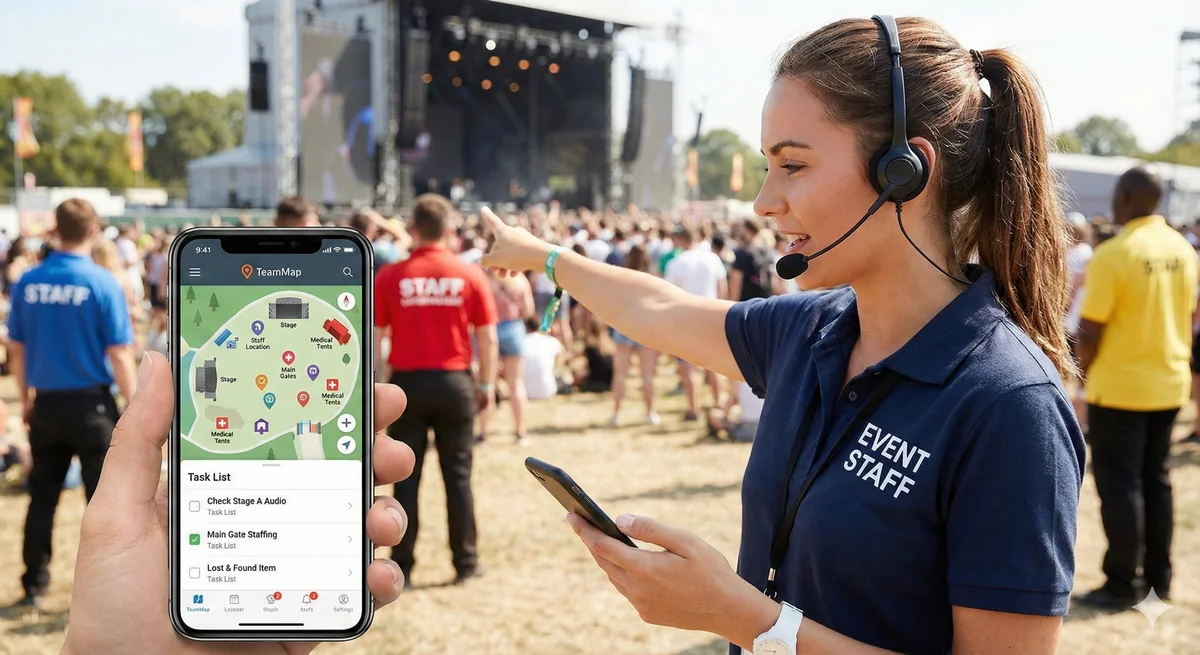
An incident response playbook template for security teams: the five-step spine plus ready steps for medical calls, trespass, theft and fire evacuation.

What a school security officer does on a K-12 campus: access control, drills, student relationships, and where private authority ends.

Risk assessment, a staffing number you can defend, screening throughput, crowd density and the exit plan, for concerts, festivals and corporate events.
The incident command system gives a guard force one commander, named roles and a shared vocabulary with the fire and police crews who show up.

Hotel and hospitality security done quietly: lobby coverage, guest floor patrols, noise and intoxication calls, event access, and fire response.

How to plan church security without a fortress feel: build a volunteer safety team, consolidate entry, and rehearse the emergency plan.
What gets stolen from a jobsite, how to assess the risk at each phase, and how to choose between patrol, remote monitoring and a standing guard.
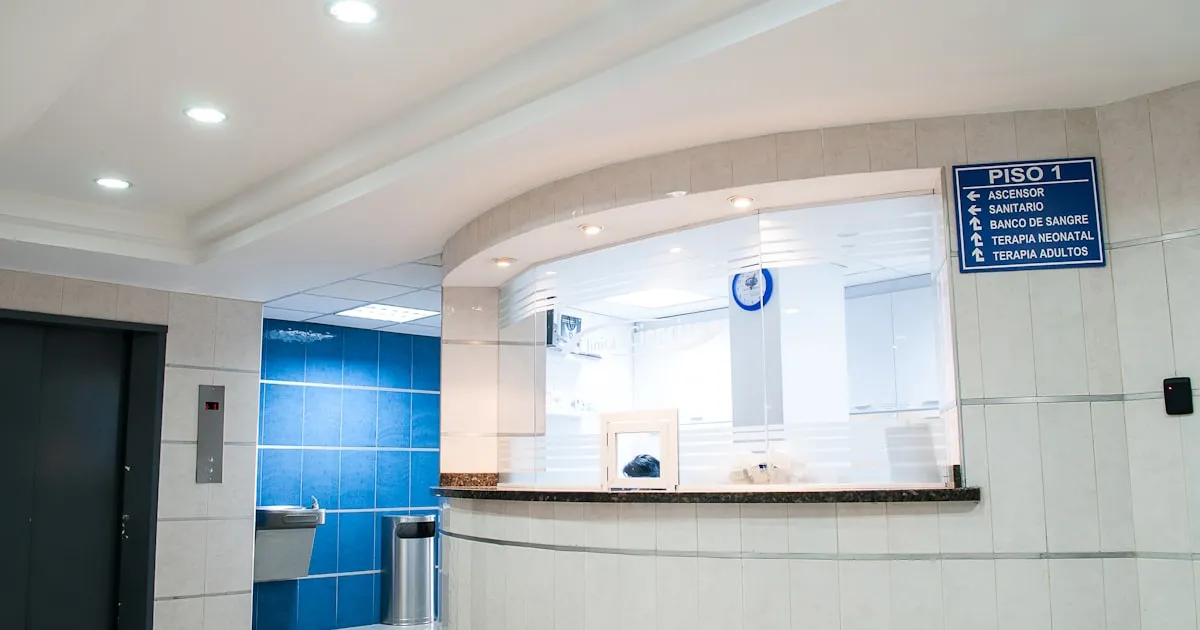
What hospital security teams plan for: workplace violence in the ED, behavioral health elopement, infant abduction drills and the privacy limits on a report.

A security operations center you can afford: room layout, video management, the 4.2 FTE staffing math, and a six-month phase-in plan.
Geofencing for security operations: how big to draw the boundary, why dwell triggers beat crossings, and the log-only week that stops the alert flood.

Cybersecurity for guard forces: individual logins, locked work phones, and a callback rule that stops social engineering at the gate.