Data center physical security: layers and access
Data center physical security on shift: four layers, contractor verification, tailgating, environmental alarms, and the logs an auditor will read.

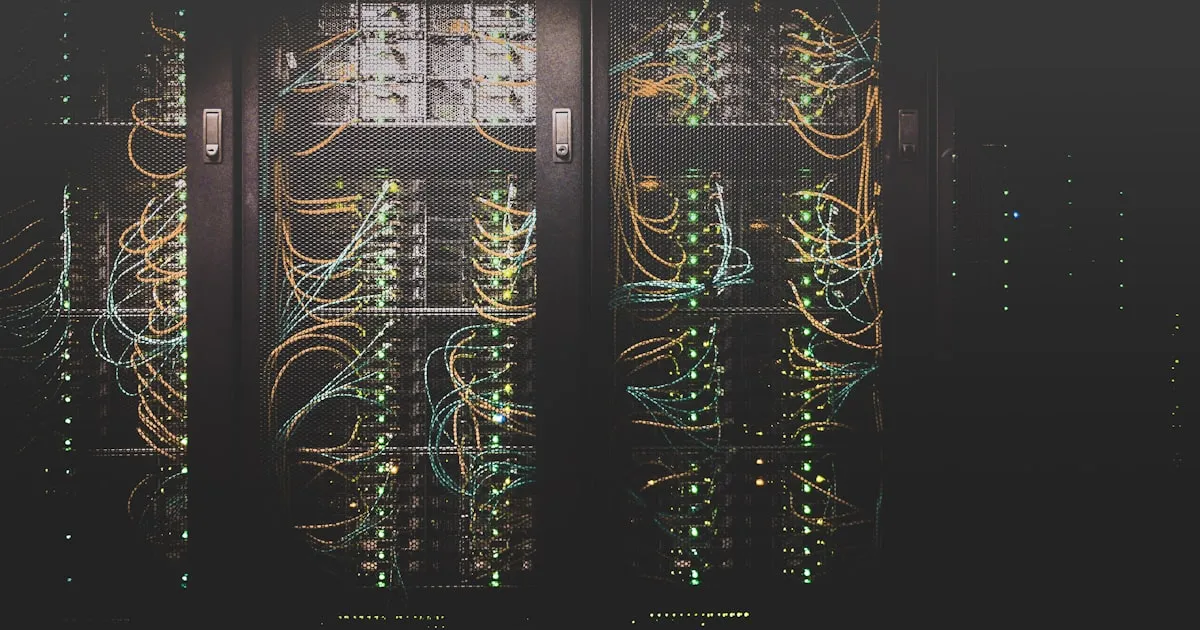
Data center physical security looks quiet. No foot traffic, no retail theft, nothing to break up the night. Then a contractor arrives at 0200 with a work order nobody told you about, and the job is whether you check it or wave it through.
Data center physical security runs in four layers: perimeter, building, data hall, and cabinet. The officer's job sits mostly in the middle two, and the controls that matter are unglamorous. Verify before you admit, escort every visitor and contractor, never let a second person through on one badge, and log the alarm you responded to along with who you called. The compliance auditor will read those logs.
What does defense in depth look like on this site?
Four independent layers. Each one buys time for the one behind it, which is the whole point. An attacker who gets past the fence should still be five controls away from a rack.
Perimeter
- Anti-ram barriers and bollards on the vehicle approach
- One or two controlled entry points, everything else fenced
- CCTV covering the full fence line, recorded and retained
- Lighting and motion detection that make a covert approach expensive
- Landscaping cut back so nothing offers concealment near the line
Building exterior
The building is meant to be boring. Most data centers carry no signage at all, no logo, nothing that names the tenant. Reinforced walls, few or no windows, and a loading dock treated as its own controlled zone.
Emergency exits are the recurring problem. They are built for egress and they get propped for a smoke break, a delivery, or a hot afternoon. A propped exit turns your whole access control layer into decoration, which is why it belongs on every round and in the site security audit checklist.
Building interior
- Reception screens everyone, including people who work there
- Visitor management captures who, why, sponsored by whom, in and out
- Badge zones compartmentalize, so office access is not data hall access
- Mantraps or turnstiles at the boundary of each secure zone
- Escort required for anyone without standing access
Data hall and cabinet
The highest zone in the building. Biometric plus badge, because a badge alone can be lent, dropped or cloned. Cameras inside the space. Environmental monitoring tied into the same alarm stream you watch. Escort rules that apply even to people who are authorized.
In a colocation facility there is one more layer below that. Each cabinet locks separately, logs separately, and belongs to a different customer. Tenant A's engineer standing at tenant B's rack is an incident, not a misunderstanding, and it gets written up as one.
How does access control actually run on shift?
Visitors
That last line is the one that gets skipped. An open visitor record at shift change means somebody may still be in the building, and nobody can say. A visitor management SOP that forces a sign-out reconciliation at handoff closes it.
Staff
Least privilege, reviewed on a schedule. Operations staff get technical areas, administrative staff do not, and the list is checked against HR rather than assumed. Revocation happens the day employment ends, not in next month's review.
Contractors
Contractors carry the most risk because they arrive with a legitimate reason to be somewhere unusual. CISA's definition of an insider includes them explicitly: any person who has or had authorized access to or knowledge of an organization's resources, which covers vendors and former staff as much as employees.
- Verify the work order and the company before the badge is issued
- Escort to the work area, do not point them at a corridor
- Account for tools in and tools out, including anything that plugs in
- Confirm the work finished where the order said it would
- Collect the badge at departure and close the record
Why is tailgating the control that fails most?
Because it is social. A mantrap is an airlock: the first door has to close before the second opens, one person per cycle, weight sensors or a turnstile to enforce it, and a camera inside so the person who badged is the person who entered.
All of that is defeated by politeness. Someone with an armful of boxes, someone in a familiar uniform, someone who says they left their badge upstairs. The officer's job is to be the person who does not hold the door, and that is easier when the post orders say so in writing rather than leaving it to judgment. Put it in the post orders for the site, in those words.
Overrides exist for emergencies and every one of them punches a hole in the access record. Log the override, the reason, the time, and who authorized it, in the same entry. An unexplained override is what the auditor finds.
Why does a guard here need to know HVAC and power?
Two reasons. Environmental failures do real damage on their own, and an environmental alarm can be the first sign of sabotage.
- Cooling. A hall loses its temperature envelope fast when air handling stops. This is not a "call in the morning" alarm.
- Power. UPS on the short gap, generator on the long one. Know which transfer is normal and which is a fault.
- Suppression. Usually a clean agent rather than water, because water is a second disaster. Know what discharge sounds like and where the abort is.
- Water detection. Under-floor leak sensors. A small volume in the wrong place is catastrophic.
What matters operationally is the response, not the theory. Which alarm means evacuate, which means shelter, who gets called first, and what you are not allowed to touch. Automated transfer and suppression are engineered to protect the site and a well-meaning manual override makes things worse. Build the call list into a written escalation matrix so nobody is deciding at 0300 who to wake up.
What is a data center officer never allowed to do?
- Bypass an access control. If it is broken, the area stays closed until someone with authority says otherwise.
- Allow tailgating. Not for a familiar face, not for a claimed emergency, not for the person who signs your contract.
- Leave a credential unattended, on the console or anywhere else.
- Discuss procedures, camera coverage or shift patterns with anyone outside the organization.
- Permit photography inside the building. A layout photo is reconnaissance.
The same discipline applies to the officer's own devices and logins. Shared credentials on the console defeat the audit trail the client is paying for, which is covered in cybersecurity basics for physical security teams.
Which compliance frameworks drive these procedures?
Most of what looks arbitrary in the post orders traces to a framework the facility is audited against.
- SOC 2. Examines whether the controls exist and whether they operated consistently over the period. Consistency is what gets tested, so a gap in your log is the finding.
- PCI DSS. Applies where payment card data is processed or stored, and carries specific physical access and visitor log requirements.
- HIPAA. For healthcare data. The Security Rule's physical safeguards at 45 CFR 164.310 require facility access controls, visitor validation procedures, maintenance records of repairs to doors, walls and locks, and controls over hardware and media leaving the building.
- ISO 27001. International information security management framework, often carried by facilities selling to enterprises abroad.
Expect to be interviewed during an audit. Assessors ask officers what they would do, then read the logs to see whether that is what happened. A regular post inspection is the cheapest way to find the gap before the assessor does.
Key Takeaways
- Contractors are insiders under CISA's definition. Verify the work order, escort them, account for the tools.
- Tailgating fails on politeness, not on technology. Put "do not hold the door" in the post orders in writing.
- Log every access control override with time, reason and authorizer. Auditors look for the unexplained ones.
- Know which environmental alarm means evacuate, which means shelter, and what you must not manually override.
- SOC 2, PCI DSS, HIPAA and ISO 27001 are why the procedures exist, and your logs are the evidence.
Continue Reading

Cannabis dispensary security and compliance rules
Cannabis dispensary security starts with your state's rules: camera retention, cash controls, product zoning, and the records an inspector asks for.

Payroll best practices for security companies
Security payroll done right: multiple pay rates per week, weighted-average overtime, defensible time records, and the deductions the law will not let you take.

Compliance metrics that prove the patrol happened
The compliance metrics clients ask for: route, task and shift completion, drill-down by site or person, and exports off the record itself.