Construction site security: threats and the plan
What gets stolen from a jobsite, how to assess the risk at each phase, and how to choose between patrol, remote monitoring and a standing guard.

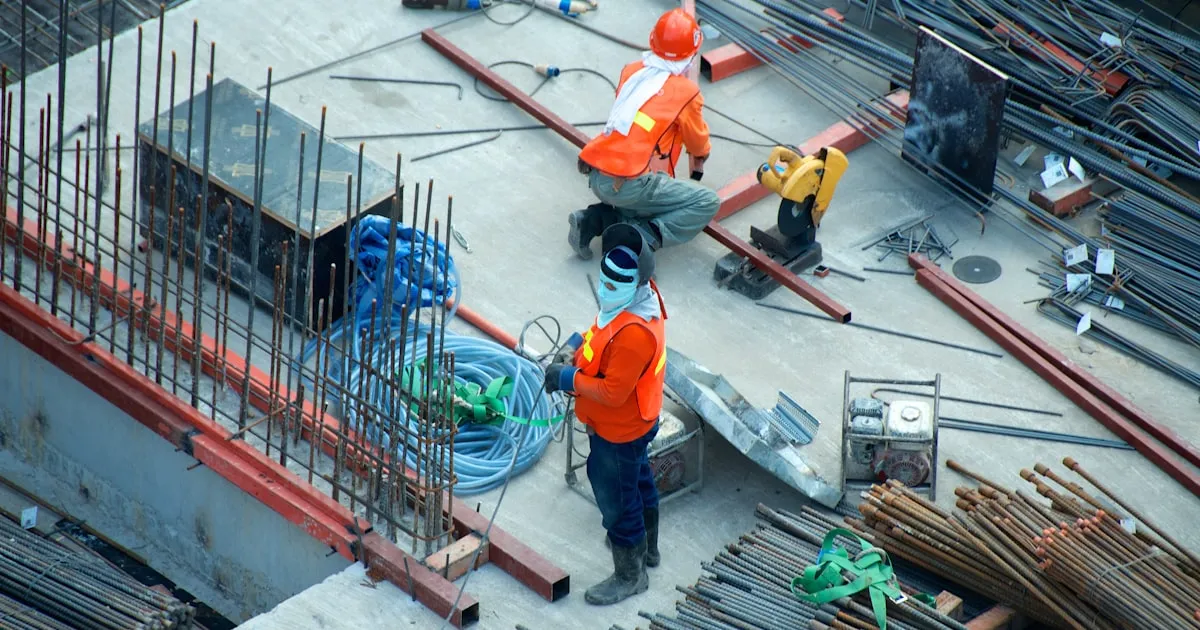
A finished building has a door and a camera. A jobsite has a gate somebody forgot to lock and forty thousand dollars of copper in a stack. Construction site theft is opportunistic, it happens overnight and at weekends, and cheap controls stop most of it.
Copper, power tools, fuel and heavy equipment are the four targets, roughly in that order of frequency. Stop most of it with a single locked gate, lit ground, a locked container for anything valuable, and either an unpredictable patrol or monitored cameras with someone who responds. Reassess at every phase, because the site you fenced in March is a different building by July.
What actually gets stolen?
Copper. The most consistently targeted material on any site, because scrap value is high and demand never dries up. The damage is the ugly part: thieves will rip out a run of wire or plumbing and cause tens of thousands in destruction to walk away with a few hundred dollars of metal, plus a schedule delay while the electrician redoes rough-in.
Power tools and hand tools. Constant, low-drama, and rarely reported. Portable, valuable, and anonymous on a resale market where nobody asks. An unmarked impact driver is indistinguishable from every other impact driver in the pawn shop.
Fuel. Draining diesel out of an excavator overnight takes a hose and no skill at all. A big machine tank holds a hundred gallons or more, which is a serious number at the EIA weekly on-highway diesel average of $5.599 a gallon for the week ending August 31, 2026. Fuel theft tracks the pump price, so it rises exactly when your fuel budget is already tight.
Equipment. Generators and compressors first, because two people and a trailer can take them. Heavy machinery is a bigger operation and a bigger loss, and it is worth noting that a stolen machine usually leaves during daylight, on a trailer, looking like a legitimate move.
Materials. Lumber, fixtures, appliances staged for install. Bulky enough to be awkward and consumable enough that nobody can prove they were stolen rather than used.
How much does construction theft actually cost?
Nobody knows, and be suspicious of anyone who tells you they do.
No federal agency publishes an annual total for construction site theft. The dollar figures that circulate in the trade press come from industry estimates that get recycled year to year without recalculation, and they cannot capture the losses that never get reported at all. A superintendent who eats a $900 tool loss rather than file a claim and move the premium is the norm, not the exception.
So measure your own. Total losses per project, per month, is a number you can actually produce, and it is the only one that will tell you whether what you changed worked.
Track the schedule cost separately from the replacement cost. A stolen $600 saw is a $600 problem. The stolen switchgear that pushes energization back three weeks is a different order of magnitude, and it is the argument that gets security funded.
What does the physical layer have to do?
Not stop a determined thief. Make the site slow, visible and noisy enough that the easier target down the road wins.
Fence the active area, with as few gates as the work allows. Chain link is standard; height and topping depend on local rules. You are buying seconds, and a clear line that says this is not a shortcut.
Lock the gate, with a lock worth locking. The most neglected control on any jobsite, because the person closing up is tired. A cheap padlock is an invitation, and a chained gate with a defeated lock still hanging on it is how most sites get entered.
Light it, and keep sight lines open from the street. Dark corners are where the fence gets cut, and unlit footage is useless footage. A stack of material tucked behind a hoarding is a better target than one visible from a road with traffic on it.
Put the valuable things in a box. A modified shipping container with heavy-duty locks, or a proper gang box, handles most tool and material loss. Copper, fixtures and appliances should never spend a night out in the open. The staging logic is the same one warehouses use, covered in warehouse and distribution center security.
Order late. Just-in-time delivery is a security control as much as a logistics one. Material that arrives the day before installation cannot be stolen the month before installation. It costs coordination with suppliers and it repays it.
Working through a physical security audit checklist at mobilization catches most of this before the first delivery lands.
Patrol, cameras, or a guard on site?
All three work. They fail differently, and the failure mode is what should drive the choice.
Mobile patrol is the default, especially for a builder running several projects at once. A vehicle visits at irregular intervals, checks the fence line, the gates and the container, and can respond when an alarm trips. Its weakness is the interval: nothing is happening while the car is at the other site. Its other weakness is the guard who never gets out, which turns the whole thing into theater. Fleet and route logistics are covered in mobile patrol fleet management.
Remote monitoring puts eyes on the site continuously for far less than a guard. Night-vision cameras, motion-triggered alerts to a monitoring center, and two-way audio so an operator can describe out loud what an intruder is wearing. That announcement ends a lot of attempts before anything is taken.
Its weakness is coverage. As the build changes, yesterday's camera angle points at a new wall, and a theft inside a blind spot never happened as far as the system is concerned. What the analytics can and cannot detect is worth understanding before you buy, and video analytics for security goes through it.
Standing guards are for high-value phases and sites where response time genuinely matters. They can also do access control during work hours and manage equipment sign-out, which patrol and cameras cannot. The weakness is cost, plus the fact that one person cannot see all of a large site at once.
The practical answer for most projects is a mix that changes by phase. Remote monitoring plus mobile patrol is the common pairing.
Which technology earns its cost?
GPS on the machines. Cheap relative to a $200,000 excavator, and hideable somewhere a thief in a hurry will not look. Recovery is the obvious value; deterrence is the quieter one, since equipment that reports its own location is a liability to whoever took it. Sign the site so people know.
Immobilization. Kill switches, wheel locks, fuel shutoffs. None stop anyone permanently. All of them add minutes and noise, and minutes are what a thief has least of.
Container alarms. A contact sensor tells you a door opened. A vibration sensor tells you someone is cutting, which is the alert you want, because it arrives before the container is open.
Drones earn their place on large or awkward sites where fixed cameras cannot cover the ground, subject to real regulatory constraints: drones in security operations covers them.
Digital access logging. Who was on site, when they arrived and when they left, for the theft investigation and for everything else the project needs a headcount for.
How do you write the site security plan?
Assess first, in one walk, at the start of each phase. Four questions:
Then write the plan against those answers: gate procedure, where valuables sleep, patrol or monitoring coverage by phase, who is called and when. Put it in the subcontract rather than a toolbox talk, so it binds everyone on the ground regardless of payroll, and say what happens when it is ignored. A rule nobody checks is a suggestion.
Two habits do disproportionate work. Mark the tools, by engraving, paint or tag, because marked property is harder to sell and easier to recover. And verify the delivery driver nobody recognizes, because "I'm here for the pickup" is the oldest method there is.
Make reporting cost nothing. A foreman who can file from a phone at the fence, with a photo and a location attached, will file. One who has to write it up in the trailer at end of shift will not, and you will spend the year believing nothing is happening. That is the case for getting incident reports off paper. The daily discipline that keeps the plan alive is in construction site security best practices.
Key Takeaways
- Copper, tools, fuel and equipment are the four targets, and fuel theft tracks the diesel price
- No agency publishes a reliable annual cost for construction theft, so measure loss per project instead
- The gate lock, the lighting and a locked container prevent most of it for very little money
- Patrol, remote monitoring and standing guards fail differently; choose on the failure mode and mix by phase
- Reassess each phase, then put the plan in the subcontract and make reporting a phone-sized task
Continue Reading
Construction site security: the daily operating routine
The habits that hold a jobsite: one gate, a signed end-of-day check, randomized patrols with checkpoint proof, and a plan re-walked at every phase change.

Retail loss prevention strategies that work
What the NRF shrink numbers actually say, and the floor layout, exception reporting, officer training and outside partnerships that answer retail theft.

Event security planning: staffing to egress
Risk assessment, a staffing number you can defend, screening throughput, crowd density and the exit plan, for concerts, festivals and corporate events.