Construction site security: the daily operating routine
The habits that hold a jobsite: one gate, a signed end-of-day check, randomized patrols with checkpoint proof, and a plan re-walked at every phase change.

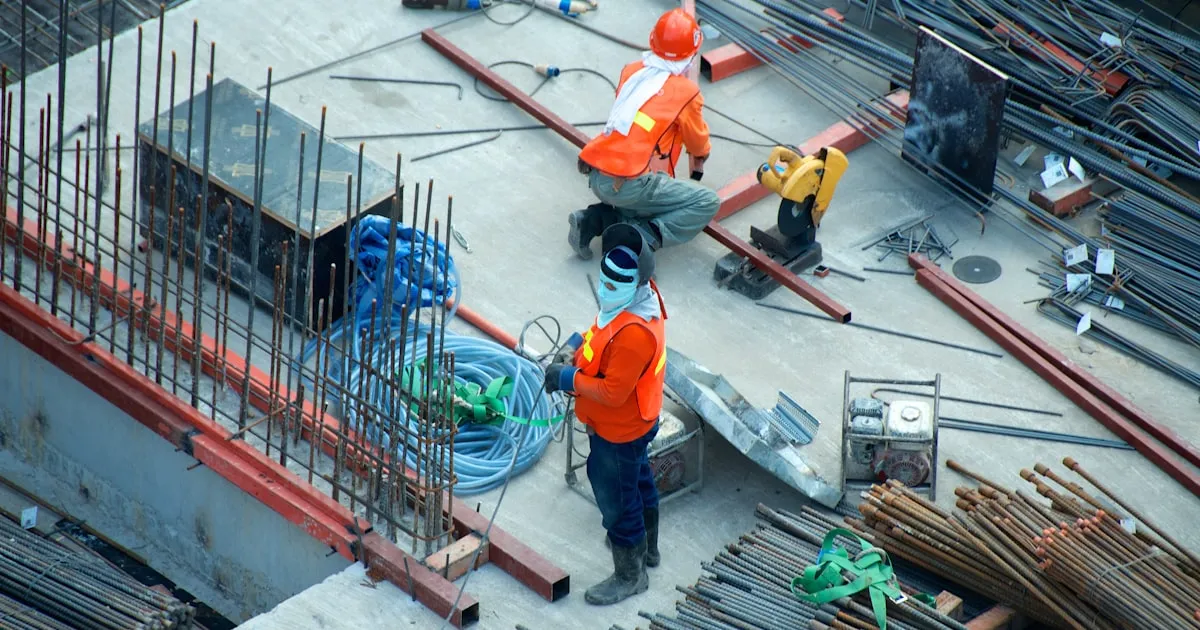
Construction site security best practices come down to daily habits, not a plan in a binder. The site is an outdoor warehouse staffed by people who do not know each other, empty overnight, and a different shape every few weeks.
Running security on a live construction project means rewriting the plan as the site changes: one controlled gate during work hours, an end-of-day procedure a superintendent signs off on, patrols at irregular times with checkpoint proof, and a documented handover every phase. This is the operating side. For what gets stolen and how to harden against it, see construction site theft prevention.
Why a construction site is not a building
Static security assumes a fixed floor plan. Construction breaks that assumption weekly.
The lot becomes a foundation, then a frame, then a shell with interior spaces and a hundred new ways in. A perimeter that worked in March has three unlocked stairwells by August. Whatever you wrote at mobilization is out of date the first time the site plan changes.
The workforce moves the same way. A commercial project runs dozens of subcontractors in and out by phase. Electrical crews arrive for rough-in and leave. Drywall shows up for six weeks. Nobody knows who belongs, which is exactly the gap a thief in a hi-vis vest and a clipboard walks through at ten in the morning.
And the empty window is enormous. An office building has people in it around the clock. A jobsite has nobody from quitting time Friday until Monday morning, which is when most of the loss happens.
How do you keep the plan current as the site changes?
Tie the security review to the construction schedule rather than the calendar. Every phase change gets a walk.
That last one is where programs quietly fail. A guard working from six-month-old post orders is patrolling a site that no longer exists. If the checkpoints have not moved with the build, your completion data is measuring the wrong thing, which is the argument in where to place patrol checkpoints.
A structured pass at mobilization is worth the hour it costs. Work through a site security assessment before the first crew arrives, and repeat the short version at each phase.
What does good gate discipline look like?
The fence is not the control. Chain link marks a boundary and buys you seconds against bolt cutters. Nobody serious is stopped by it.
The gate is the control. Run one entry point during work hours even though the crews will complain about the walk. A single chokepoint is the only way anyone can answer who is on site right now, and that answer matters for a theft investigation and for the safety headcount when something goes wrong.
Sign-in does double duty here. It creates the security record and it satisfies the site's own accountability requirements, and it works far better as a phone-based log than a clipboard in the rain. Set the standard the same way a visitor management SOP does, then hold subs to it.
Contractor identification is what lets the workforce police itself. Badges, company shirts, color-coded hard hats, any of them. The point is that a fifty-person crew can tell at a glance that the guy near the gang box is not one of them, and will say something.
Exit inspection is not about catching people. Random vehicle and bag checks on the way out exist so that pocketing a nail gun stops feeling free. The deterrent is the whole return.
What has to happen before the last truck leaves?
End-of-day does more work than anything else on the site, and it decays fastest, because everyone is tired and wants to go home.
Tedious, and it is the difference between a theft that requires planning and one that requires a pickup truck.
How should the patrol actually run?
Most construction security is mobile patrol, and most mobile patrol is worse than the client thinks it is.
Two failures account for nearly all of it. The first is a predictable schedule: a car that shows up at 11, 1 and 3 every night has published its timetable to anyone watching for a week. Randomize the intervals. The second is the drive-by. A guard who never leaves the vehicle has checked nothing, and the gate cut at the far corner stays cut until the crew finds it at seven.
Fix both with proof. Checkpoints placed where the guard has to physically be, scanned on arrival, timestamped. That is the difference between a patrol log and evidence, and it is the argument in NFC checkpoints prove the patrol happened. Route timing and sequencing are covered in staying sharp on night patrol.
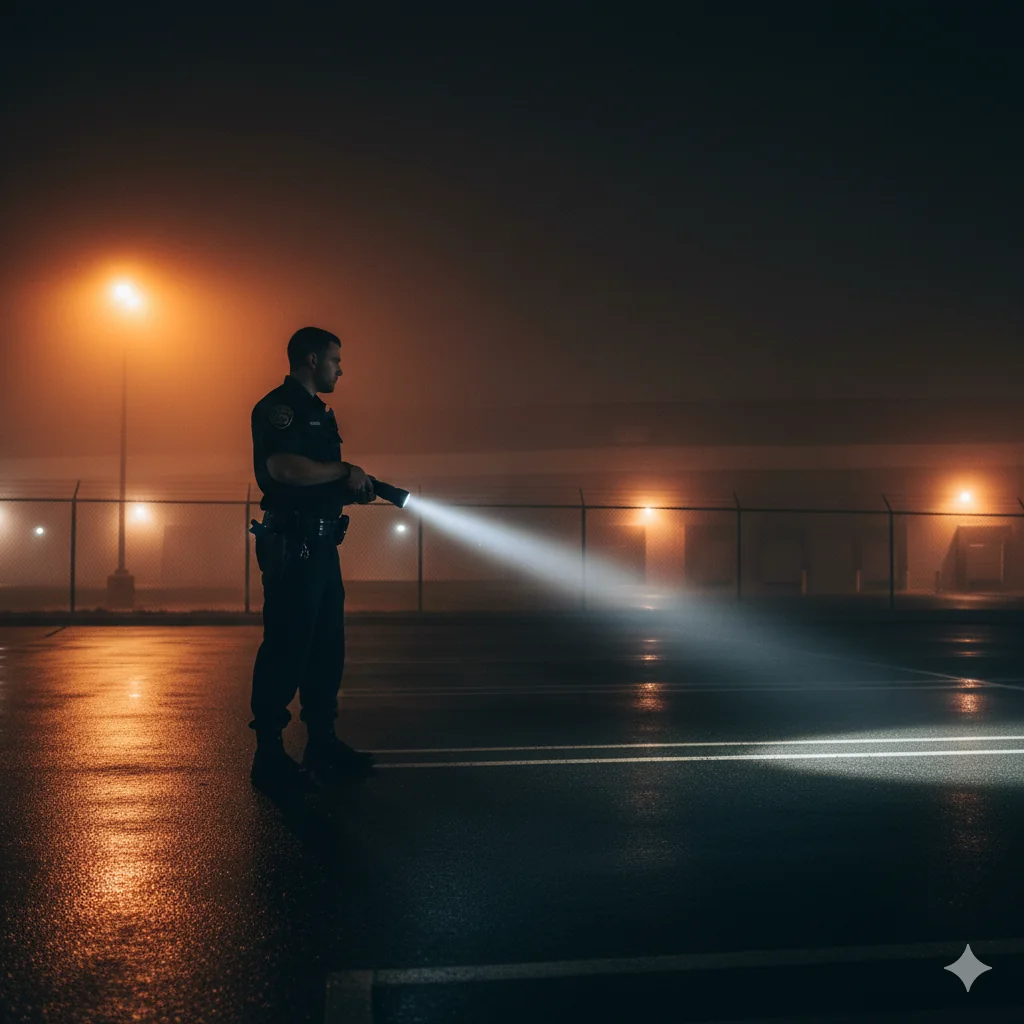
Remember who is out there. A single officer on a dark, unfinished site with poor cell coverage and open excavations is a lone worker by any reasonable definition. Scheduled welfare checks and an SOS that carries a location are not optional on this kind of post: see welfare check-ins for lone workers.
TeamMap covers this side of it directly, with patrol routes and checkpoints, NFC tag and QR code scans that carry a GPS stamp, and welfare check-ins for the officer working the site alone.
How much security does the project need?
A residential remodel and a four-hundred-unit build do not get the same answer. Match the spend to what is exposed.
| Model | Fits | Main weakness |
|---|---|---|
| Mobile patrol | Most sites, and companies covering several projects from one vehicle | Gaps between visits; nothing happens while the car is elsewhere |
| Remote monitoring with response | Sites where cameras can cover the value, especially long weekends | Camera blind spots move as the build changes; response is not on site |
| Standing guard | High-value phases, major deliveries, high-crime areas | Cost, and one person cannot watch a large site alone |
Most projects end up mixing them by phase. Patrol during the slab pour, standing coverage the week the switchgear and the elevator equipment land, remote monitoring over the holiday shutdown. The pairing is worked through in remote monitoring plus mobile patrol.
How do you know the program is working?
Not by the absence of theft, which is also what a badly run site looks like right up until it is not.
Watch four things: checkpoint completion per shift, the gap between the longest and shortest interval between patrols, how long it takes from an alarm to a person on site, and whether losses are being reported at all. That last one is the honest one. Crews often absorb a missing tool rather than file anything, so a jobsite with zero reported incidents usually has a reporting problem, not a theft problem.
Make reporting frictionless and the picture improves within a month. A guard who can file from a phone at the fence line, with a photo and a location attached, files. One who has to write it up back at the office at end of shift does not. Writing incident reports people read covers what should be in it.
Key Takeaways
- Re-walk the security plan at every construction phase change, not on a calendar
- One gate during work hours is what makes "who is on site" answerable
- End-of-day gets signed by a named person, or it decays within a month
- Randomize patrol intervals and require checkpoint scans; a drive-by proves nothing
- Zero reported incidents usually means a reporting problem, so make filing easy first
Continue Reading
Construction site security: threats and the plan
What gets stolen from a jobsite, how to assess the risk at each phase, and how to choose between patrol, remote monitoring and a standing guard.
Lone worker check-ins: intervals and escalation
Welfare check-ins for lone workers: set the interval from the real hazard, route the escalation to a named person, and test it before you rely on it.

Night patrol best practices for overnight shifts
Night patrol best practices for fatigue, light discipline, solo response and check-ins, built on what OSHA measures about night shift risk.