HOA security: patrols, gates and resident relations
How to run HOA and residential security: gate procedure, patrol coverage you can prove, resident relations, and the limits on a guard's authority.

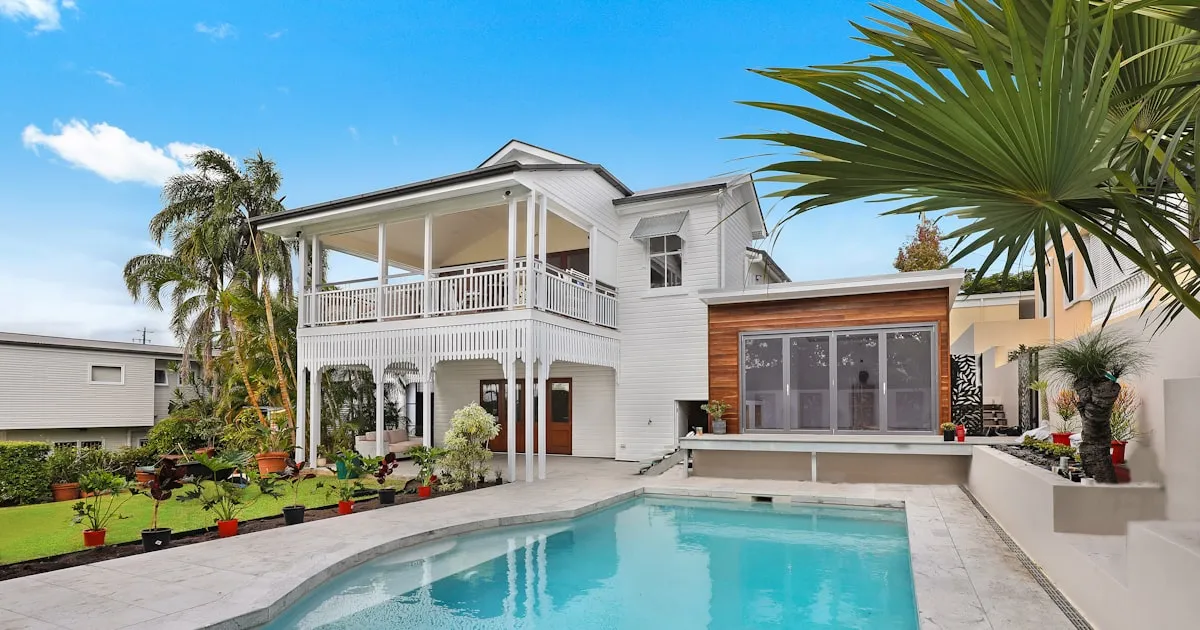
HOA and residential community security is the only account where the people paying you are the people you have to write up. Push too hard and the board hears about it by Monday. Push too little and the car break-ins keep happening.
HOA and residential community security rests on three things: controlled access at the gate or lobby, patrol coverage you can prove happened, and officers residents recognize by name. Document violations, report them to management, and let management handle resident discipline.
How does security differ by community type?
A gated community spends most of its security budget at the gate house. Officers verify visitors and control the entry lane while a vehicle patrol covers internal streets and the perimeter fence. Density is low and the ground is spread out, so the route matters more than the headcount.
Apartment complexes invert that. More people, less ground. Entry points multiply: lobby, parking structure, pool, fitness center, package room. Noise complaints and neighbor disputes eat real shift time, and package theft is now a standing item at most property management meetings.
Condominiums sit between the two. Vertical buildings need elevator access control and a staffed front desk, while the grounds and parking still need a patrol. The concierge model fits here: the officer coordinates deliveries and assists visitors alongside the security work. Residents in a doorman building expect a person, not a post.
How do you run a gate without making residents wait?
Nobody wants to queue to enter their own neighborhood. Gates that work use layered verification: transponders and codes for resident vehicles, visual recognition of faces the officer already knows, and a call-ahead list for expected guests. Fast entry for the authorized. Friction only for the unknown.
Pre-authorization is what makes that possible. The resident registers the guest, the system issues a code or adds a name to the expected list, and the gate officer confirms in seconds. Put a time limit on every pass so the code issued for a Saturday party is not still opening the gate in March. Our visitor management SOP template covers the registration, badge and log steps in order.
Recurring visitors need their own lane in the procedure. Housekeepers, caregivers, physical therapists, the dog walker who arrives at 11 every weekday. All legitimate, all regular, and all still on a list somebody maintains and prunes.
Vendors are where social engineering lands. Anyone claiming a work order should be verifiable against HOA management or maintenance before the arm goes up. Emergency vehicles are the exception to all of it: fire and EMS get an automatic override or an officer who lifts the arm first and logs it after.
What does patrol coverage look like in a residential community?
Vehicle patrol covers what feet cannot. Every street on a rotation, the perimeter fence line, the parking areas, and the back gate nobody watches. Officers should also log burned-out lights, a broken gate arm, standing water at the tennis courts. That maintenance reporting is frequently what the board notices first on the monthly report.
Foot patrol handles what a car drives past. Pool decks, clubhouses, fitness rooms, and the stairwells and elevator lobbies inside parking structures. You cannot inspect a stairwell at 15 mph with the window down. Building corridors and grounds need someone actually walking them.
Vary the timing. If a resident can predict the 1am pass, so can anyone casing the property. Weight coverage toward the hours that generate your incidents, which in most residential accounts means late night, move-in weekends, and holidays. Pull those hours from your own reports rather than assuming.
Then prove it happened. GPS-tracked routes or scanned checkpoints turn "we patrolled" into a timestamped record you can hand the board without a phone call. Start with where to place patrol checkpoints, and use repeating patrol routes to keep the same ground covered across every shift and every fill-in officer. If the account also runs cameras, remote monitoring for residential properties covers how the two layers divide the work.
Why do resident relations matter as much as patrol skills?
Learning faces and names is the single highest-return thing an officer does on a residential post. A guard who greets the Hendersons in 4B by name stops being an impersonal uniform and becomes part of the community. That relationship is also what makes residents call you at 11pm instead of arguing with a neighbor themselves.
The friction points are predictable. Guest delays at the gate frustrate residents hosting a party. Parking enforcement generates complaints the moment anyone feels singled out, which is why consistency and a written policy matter more than discretion; documented parking enforcement procedures keep the citation defensible. Noise complaints want mediation, not escalation.
Communication keeps the relationship intact. Written reports to management, incident notifications to the residents whose homes or vehicles were involved, and an occasional safety reminder that shows the security team is paying attention. The board reads the report; the resident reads the notification. Both need to exist. The client reporting guide covers what a board actually wants to see each month.
What can a security officer actually do about a rule violation?
Less than most residents assume, and every officer should know the line cold. Guards do not arrest residents for rule violations. They do not enter a private unit without permission, even when they are certain something is happening inside. They do not tow without following the authorized procedure, and they never force compliance physically.
Authority limits are set by state licensing law, not by the HOA. California, for example, requires every registered guard to complete Power to Arrest and Appropriate Use of Force training before the Bureau of Security and Investigative Services issues a registration, plus four mandatory four-hour courses covering public relations, observation and documentation, communication, and legal aspects (BSIS security guard training regulation). Check your own state board before writing a post order that assumes more authority than the card carries.
So the process is narrow: document thoroughly, report to HOA management, let management discipline the resident through the CC&R process. Security creates the record. Management determines the consequence. That split is what keeps officers out of adversarial standoffs with the people they are hired to protect.
Trespassers are a different case. Someone who cannot show any authorization to be on the property can be asked to leave, and police can be called if they refuse. A guest causing problems can be removed, but notify the resident who admitted them and bring them into it. A resident who breaks a rule is still a resident.
How should officers handle the incidents that actually come up?
Noise complaints
- Respond and verify the complaint firsthand before knocking.
- Make a polite request for compliance; most people comply the first time.
- Document the interaction, including the time and what was said.
- Escalate to management if the noise resumes.
- Involve police only for a serious disturbance or a threat.
Vehicle issues
- Unauthorized parking in reserved, fire lane, or accessible spaces
- Abandoned vehicles, tracked with dated photos before any tow
- Vehicle break-ins, which cluster by lot and by hour once you chart them
- Reckless driving on internal streets, especially near amenity buildings
Property damage
- Photograph before anything is moved, wide shot and close-up
- Identify and record witnesses while they are still standing there
- Report to management the same shift, not the next morning
- Preserve physical evidence and note who handled it
Every one of these ends in a report someone else reads weeks later. Writing incident reports people read covers the format that holds up when a claim or a board dispute follows.
What does the HOA board expect from its security vendor?
- A regular activity and incident report on a fixed schedule, not on request
- A written escalation path naming who gets called, in what order, at what hour
- Officers who have read the community rules and the CC&Rs
- Attendance at board meetings when the security line item comes up
- Input on lighting, landscaping sightlines, gate hardware, and camera placement
Key Takeaways
- The residents are the client, so balance security against their convenience
- Pre-authorized guest lists are what keep the gate moving for everyone else
- Resident relations skills matter as much as security skills on this post
- Document violations but let management handle enforcement
- Prove patrol coverage with timestamped checkpoints, not assurances
Continue Reading
Remote monitoring for residential security clients
Remote monitoring for residential security: what it replaces, when it fails, how to price the response, and what to tell the board first.

Retail loss prevention strategies that work
What the NRF shrink numbers actually say, and the floor layout, exception reporting, officer training and outside partnerships that answer retail theft.
Security escalation matrix template: who to call
A security escalation matrix template with four severity levels, notification times, named backups and call sequences for medical, fire and active threat.