Remote monitoring for residential security clients
Remote monitoring for residential security: what it replaces, when it fails, how to price the response, and what to tell the board first.

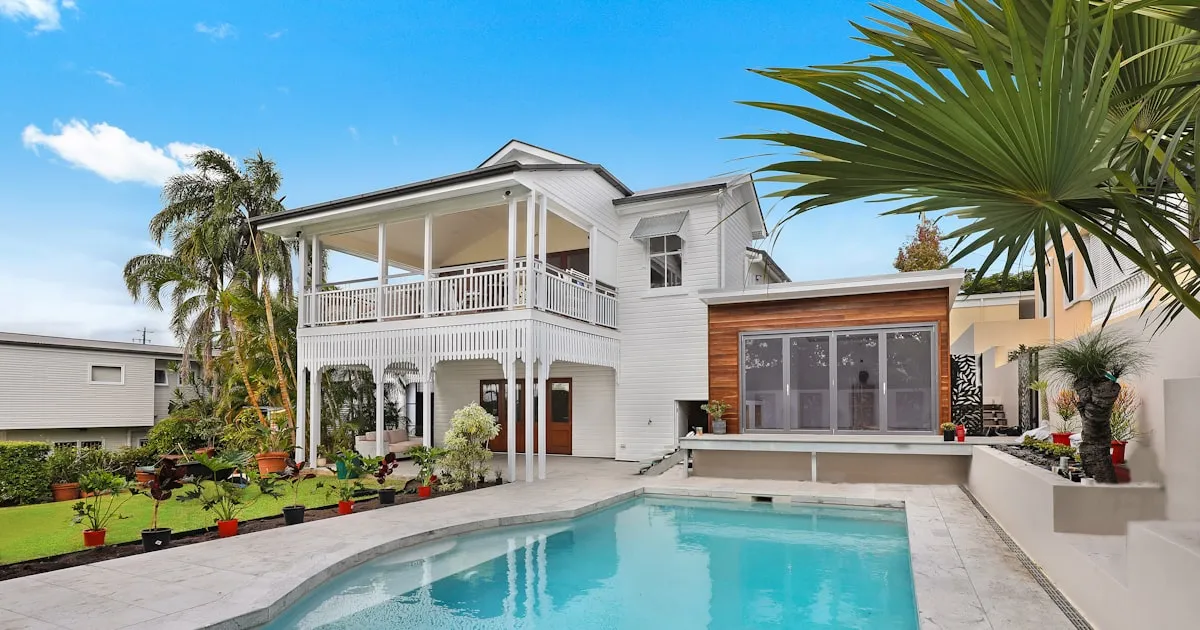
A guard in a gatehouse from midnight to six is expensive, and for most of those hours nothing happens. Residential clients know it, and they price you accordingly. Remote monitoring is the answer to that arithmetic: keep the judgment, stop paying for idle hours.
Remote monitoring replaces some on-site guard hours with cameras watched by an operator, virtual tours on a schedule, and a patrol officer dispatched when something needs a body. It fits a community with real camera coverage where most incidents call for observation and a report rather than an immediate physical response. It does not fit a site where the visible guard is the deterrent the client is buying.
What does remote monitoring actually replace?
Not the guard. The guard's chair.
A hybrid residential program usually looks like this. An operator watches the camera feeds during the overnight window. Motion analytics push clips for review instead of expecting anyone to stare at nine tiles at 3am. Virtual tours run on a schedule, camera by camera, and get logged the same way a foot patrol would be. When something needs a person, a patrol officer working a zone gets dispatched to it.
The community still gets a documented round every hour. What it stops paying for is 240 minutes of a person sitting in a booth between them.
Why does verified response matter to this pitch?
Because the alternative your client already has is mostly noise. The COPS Office problem-oriented policing guide on false burglar alarms reports that between 94 and 98 percent of alarm calls are false, and higher than that in some jurisdictions.
That is the whole reason verified response exists. The same guide describes requiring alarm companies to confirm an alarm before calling police, notes that verification can be established by remote video or in person by private security personnel, and reports that cities adopting it saw alarm call volume fall by roughly 90 percent.
So the sales conversation is not really "cameras instead of guards". It is: somebody looks at the alarm before anyone drives anywhere, and somebody with a report form drives out when the look says to. Check what your local agency requires, because verified-response ordinances differ by jurisdiction and some cities will not dispatch to an unverified residential alarm at all.
When does it work, and when does it fail?
Remote monitoring fits when
- Camera coverage reaches the places incidents actually happen, not just the front gate
- Most of what the site generates is observation, documentation and deterrence
- A 10 to 20 minute response on escalation is genuinely acceptable to the client
- The board or HOA has understood and agreed to the tradeoff in writing
It fails in two situations, and both are worth walking away from rather than overselling. Where immediate physical intervention is the point, minutes matter and a zone car is not close enough. And where the guard's visible presence is the product, a camera does not deter anybody, however good the footage is afterward. If a community hired you because residents wanted to see somebody at the gate, taking the body away is a cancellation waiting to happen.
How do you have the client conversation?
Honestly, and with the losses named first. A community that understands what it gave up renews. A community that discovers it during an incident does not.
What the community gains
- Coverage across hours it could not previously afford to staff
- Every tour and every alert documented with a timestamp and footage
- Verification before police get called, which keeps false-alarm fines down
- Budget freed for guard hours during the windows that actually need them
What it gives up
- The visible deterrent of a person at the gate
- Immediate response. Dispatch and drive time are real minutes
- The neighbor-facing role: directions, escorts, the resident who wants to talk
- Eyes on anything the cameras do not cover, which is more than the diagram suggests
The middle option usually wins. Staff the hours with the incidents, run remote through the quiet ones, and show the split in the proposal so the board can see what each block costs. The hybrid model covers how to structure it, and HOA and residential community security covers the politics of selling anything to a board.
What technology does it depend on?
Four things, and a failure in any of them takes the service down.
- Cameras. Low-light performance is the requirement people underestimate. A camera that produces a gray smear at 2am has documented nothing. Coverage has to include the paths people actually take, not the ones the drawing shows.
- Connectivity. A secondary path, cellular or otherwise. Footage that cannot reach the operator does not exist. Budget for it as a line item rather than discovering it during an outage.
- The monitoring position. Fast switching between feeds, an alert queue that can be worked and cleared, and a direct line to the field. If your operator is alt-tabbing between three systems, the response time you quoted is fiction.
- Analytics that reduce the load. Motion that flags a person and ignores a raccoon is what makes one operator able to hold twelve sites. Video analytics covers how far that has actually come.
If you are standing up the monitoring position from scratch, setting up a security operations center covers the room, the shifts and the escalation ladder.
Who responds when the camera sees something?
This is the half that gets underbuilt. Monitoring without response capacity is a service that watches people steal things.
Assign patrol officers to geographic zones instead of named sites. A zone car covering six communities can be at any of them inside the window you sold; a car assigned to one address is idle capacity you are paying for. Dispatch to the nearest unit rather than the usual one, which means seeing where the units are at the moment the alert lands.
Write the escalation ladder before you need it. What the operator handles alone, what goes to the patrol officer, what goes straight to 911, and who calls the resident. Sending a guard in three steps covers the dispatch mechanics, and fleet management covers keeping the cars able to make the run.
Then measure the promise. Alert to acknowledgment, acknowledgment to dispatch, dispatch to arrival. If you sold 20 minutes, you should be able to produce the median and the worst case from last month without building a spreadsheet by hand. Client reporting is where that lands, and it is what a renewal conversation runs on.
How do you price it?
Remote hours are cheaper than staffed hours, so the temptation is to quote the saving and move on. Price the response capacity too. Cars, fuel, the officer who is on shift whether or not an alert comes in, and the monitoring seat spread across however many sites it holds.
The margin structure is different from a static post and the failure mode is different too: you can sell more sites onto one operator than that operator can actually watch. Set the ceiling before sales does. Setting your bill rate covers the multiplier arithmetic underneath it.
Key Takeaways
- Between 94 and 98 percent of burglar alarm calls are false. Verification before dispatch is the product.
- Hybrid beats pure remote in most communities. Staff the risky hours, monitor the quiet ones.
- Name what the client gives up before they sign, especially visible presence and response time.
- Low-light camera performance and a backup connection are the two technical dependencies people underbudget.
- Build the response network first, and report alert-to-arrival monthly. Monitoring without response capacity is just observation.
Continue Reading
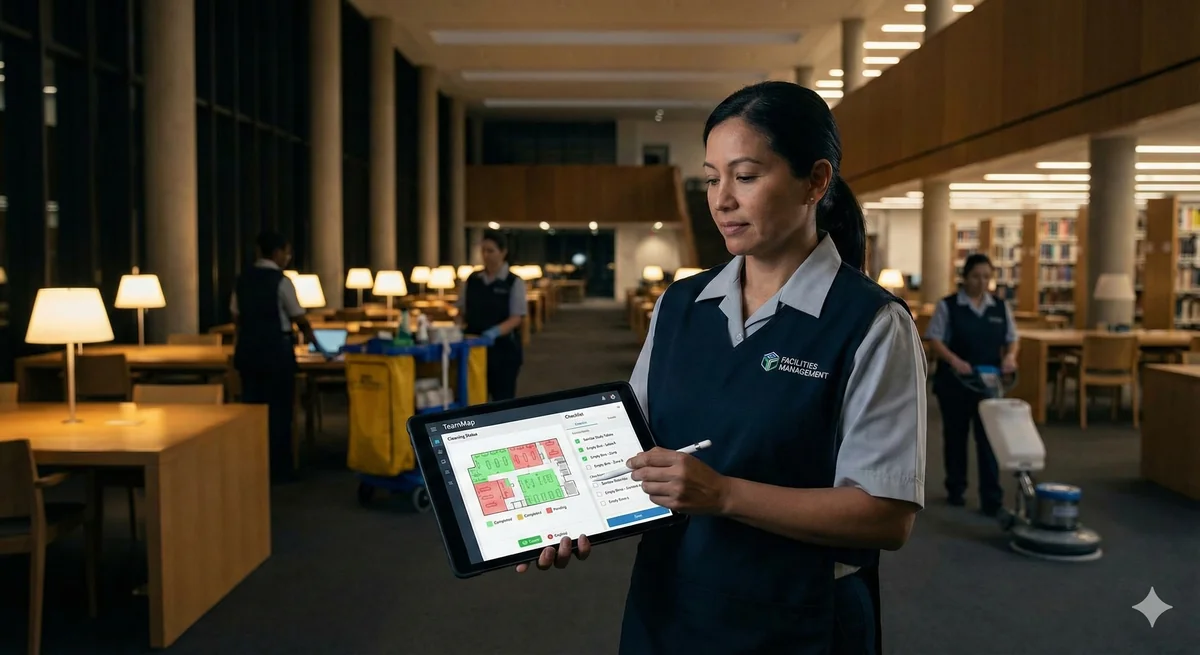
Hybrid security: remote monitoring plus patrol
Live monitoring backed by a patrol officer who can be dispatched. Which clients it fits, where it fails, what to build, and four ways to price it.
HOA security: patrols, gates and resident relations
How to run HOA and residential security: gate procedure, patrol coverage you can prove, resident relations, and the limits on a guard's authority.
Video analytics for security monitoring teams
Video analytics turn cameras into sensors: what detection, recognition and behavior tools can really do, why false alarms kill deployments, and the privacy law.