
Industry News
8 min
Video analytics for security monitoring teams
Video analytics turn cameras into sensors: what detection, recognition and behavior tools can really do, why false alarms kill deployments, and the privacy law.

TeamMap·
109 articles on field operations, product guides, industry news and best practices.
Video analytics turn cameras into sensors: what detection, recognition and behavior tools can really do, why false alarms kill deployments, and the privacy law.
Which FDACS class to file, what goes in the Class D and Class G applications, the fees set in statute, and how the two-year and three-year renewals work.
Eight security guard software platforms compared on features, published pricing and who each one fits, with every claim linked to its source.

What a New York guard license takes: 8 hours pre-assignment, 16 on the job, 8 in-service a year, the armed track, and what the employer has to file.

Security patrol robots observe, record and alert but cannot intervene. What Knightscope and Boston Dynamics publish, realistic runtime, and where a robot fits.

Scheduling, payroll, checkpoint proof, guard safety and pricing side by side, sourced to published vendor pages, with where each one is the stronger fit.
The guard shortage is churn, not demand. Where the pay gap comes from, when guards actually quit, and the staffing fixes that hold a roster together.

Checkpoint methods, dispatch, payroll and pricing compared from Trackforce published pages, plus which of the two fits a small guard company better.
The order to do it in: Power to Arrest course, Live Scan prints, the BreEZe filing, then the training that runs on the clock once you are registered.
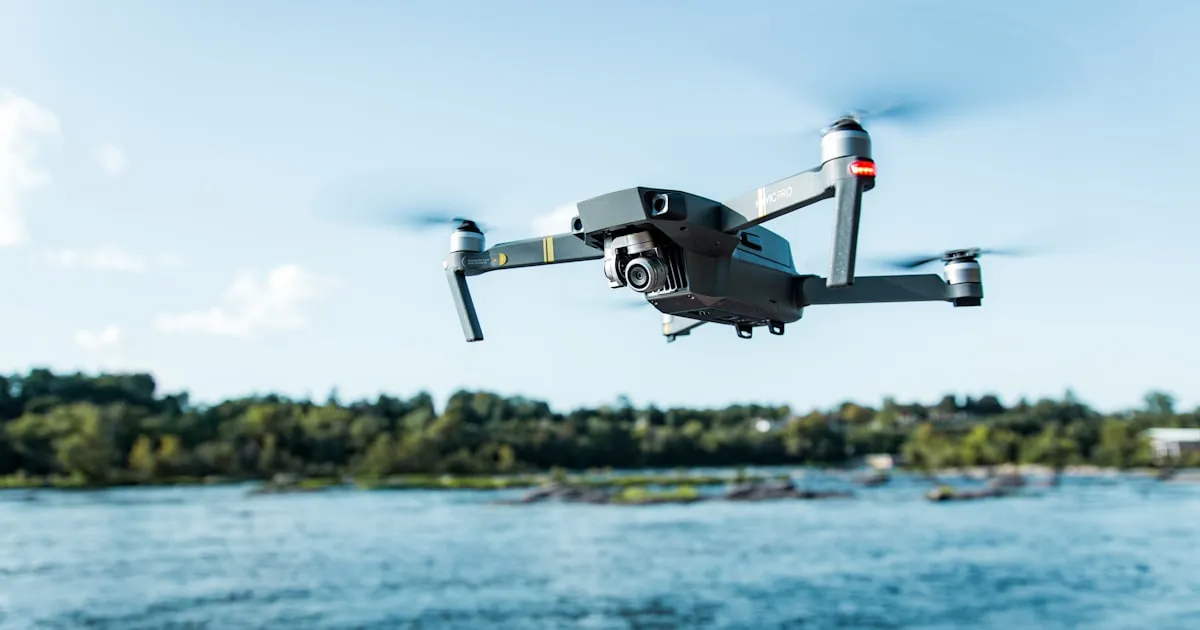
Where a security drone beats a guard on foot, what FAA Part 107 requires of the pilot and aircraft, and the recording consent you need before the first flight.
What Chapter 493 requires for a Class D and a Class G: the 40 and 28 training hours, the disqualifiers, and the annual firearms requalification.

What belongs in a security guard benefits package, in order: health insurance, paid time off, a retirement match, and how to price each into your bill rate.
Five TrackTik alternatives compared on published pricing, checkpoint proof and back-office scope. Every figure comes from the vendor site itself.
Security operations trends for 2026: guard pay now matches warehouse work, clients buy reporting in the RFP, and paper is still the real technology gap.

What DPS requires at each Texas security license level, from the Level II course everyone takes to the 45-hour Level III commission and the Level IV track.

What the NRF shrink numbers actually say, and the floor layout, exception reporting, officer training and outside partnerships that answer retail theft.

Check every officer against the free TOPS search rather than the card, track the two renewal clocks separately, and report status changes to DPS on time.
Set up QuickBooks for a guard company: which plan gives you class tracking, sites as sub-customers, labor allocation, and the reports that change decisions.
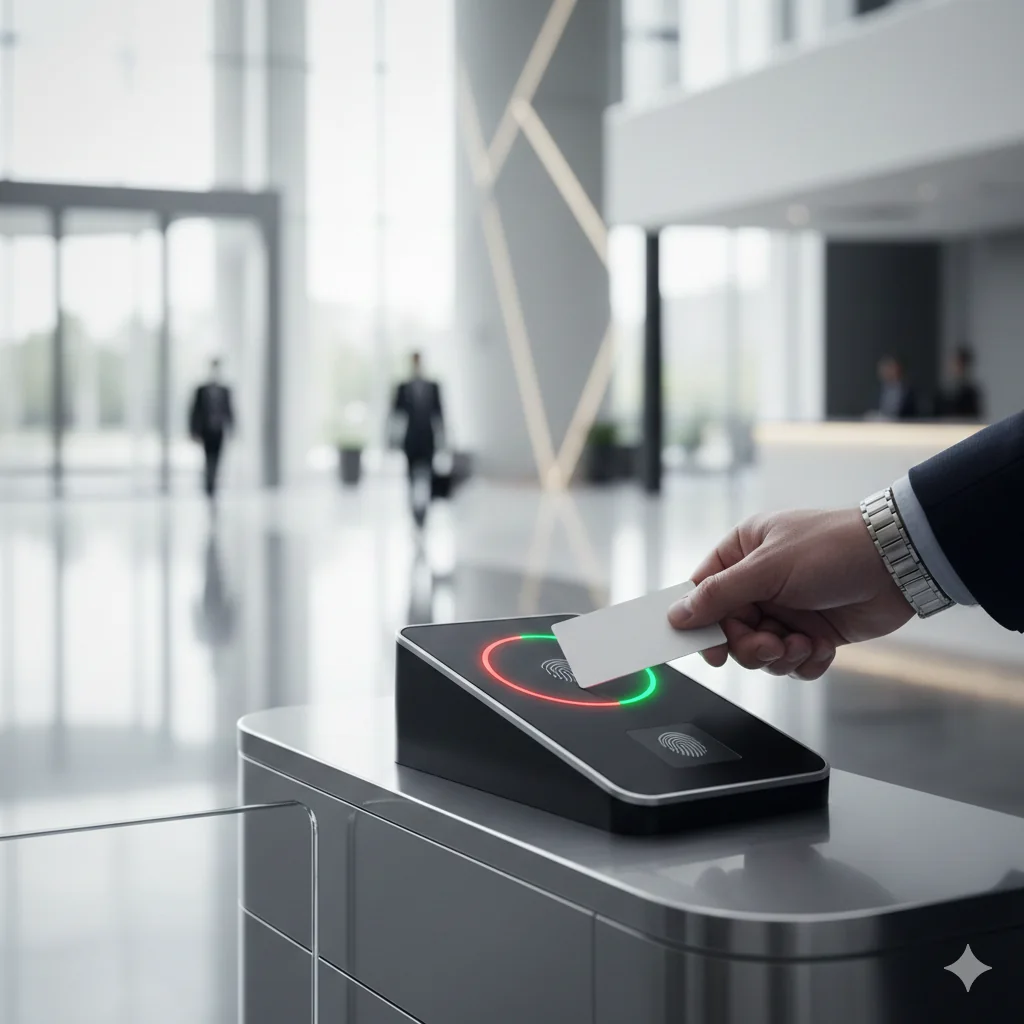
Who needs a California guard card, the 8 and 32 training hours BSIS sets, the 8 hours a year after that, and the separate firearm and baton permits.

Offline mode holds scans, reports, clock-ins and photos on the phone until signal returns. What still works, what does not, and the radio fallback.

Security guard pay rates start at the BLS median of $18.29 an hour. Where to pull your own state figure, what moves a rate, and how it sets your bill rate.

Parking enforcement procedures for security officers: where your authority ends, warnings and citations that survive appeal, tow rules and accessible spaces.
Billing for security services without the collection calls: contract terms, defensible hours, an invoice that survives accounts payable, and timed follow-up.
A key control policy template covering master key hierarchy, issuance records, card and code rules, lost-key response, key recovery and audit frequency.
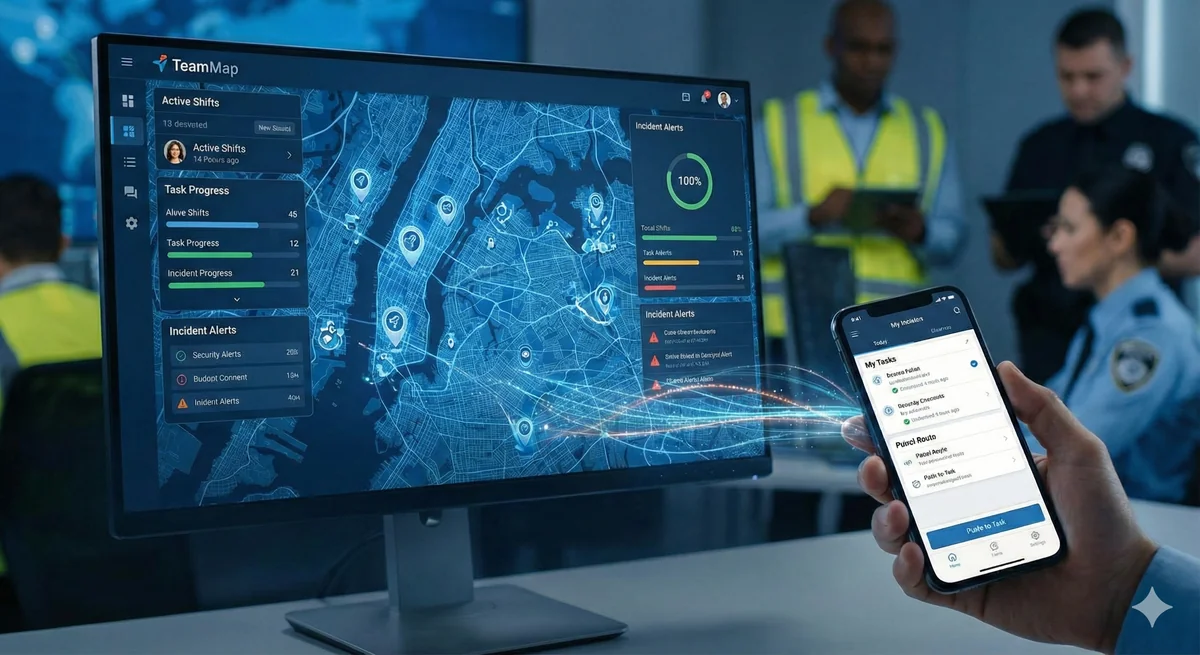
Set up channels in TeamMap by site, shift and incident, decide open or private, tune notifications, and export the history before retention closes.
Security payroll done right: multiple pay rates per week, weighted-average overtime, defensible time records, and the deductions the law will not let you take.
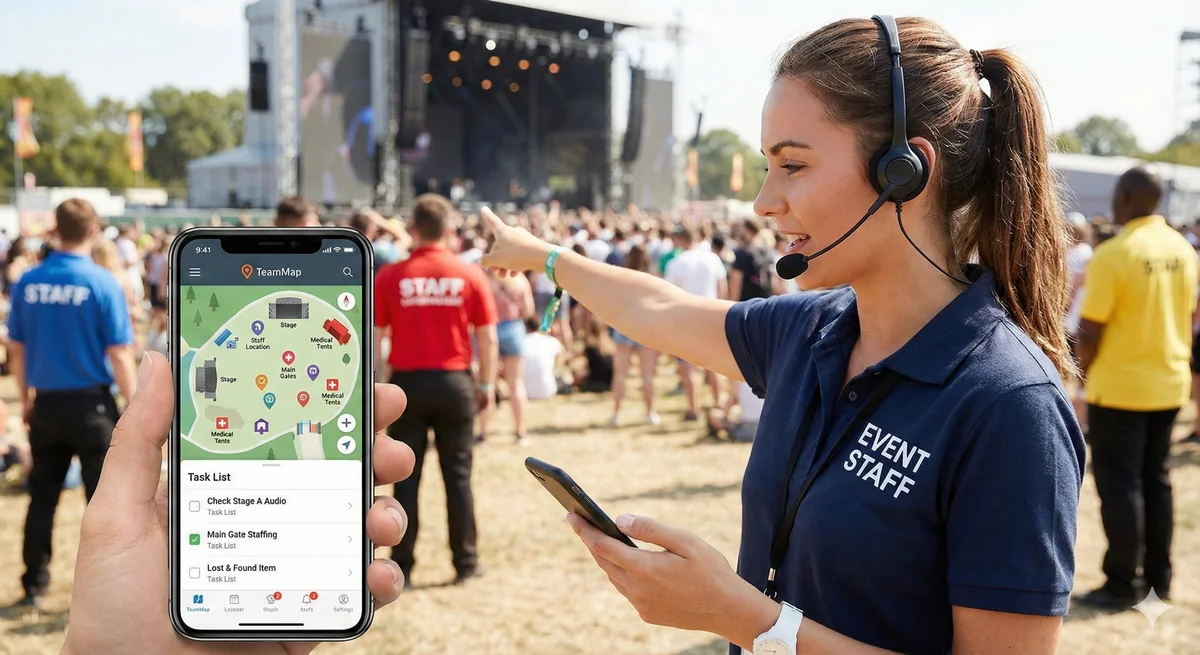
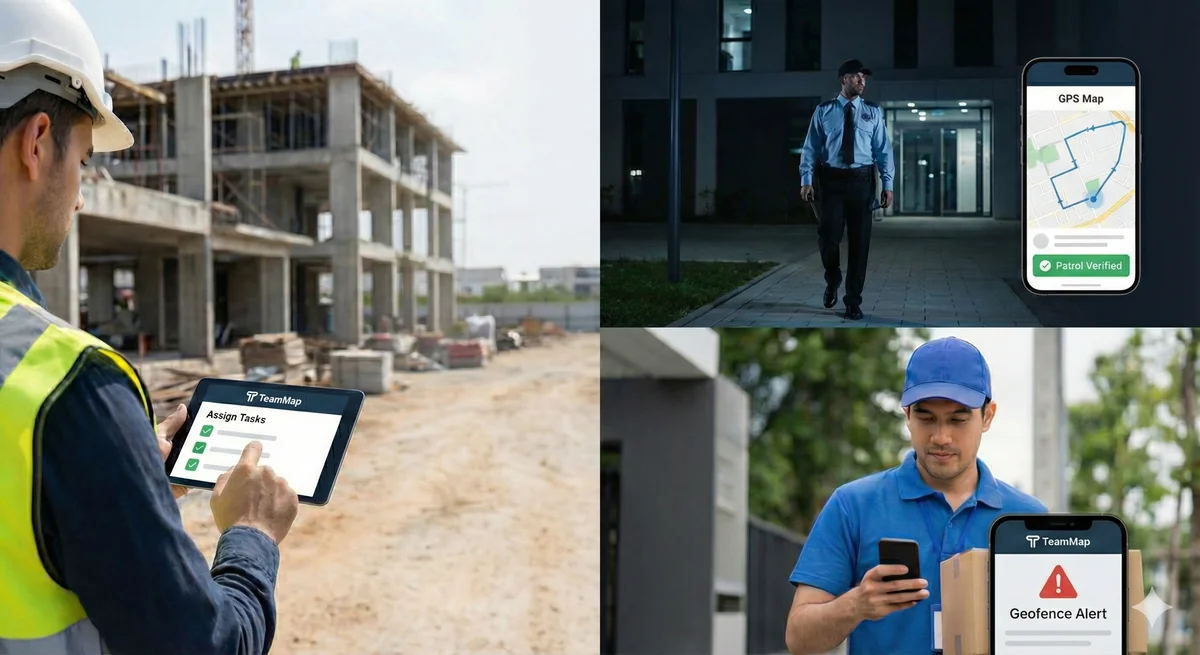
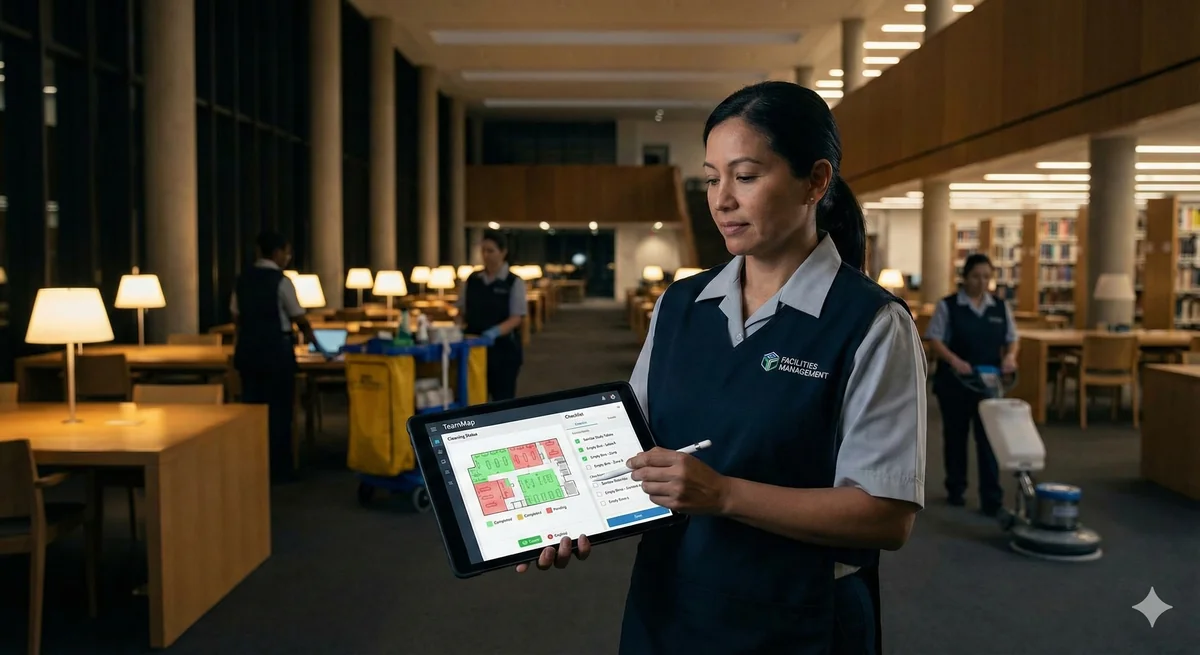
Task assignment in TeamMap: set priority and due time, require photo, GPS, NFC or QR proof, watch what is overdue, and keep the load even across the team.
Client retention starts long before renewal. Spot the warning signs, prove the value all year, and open the renewal conversation 90 days out.
A security escalation matrix template with four severity levels, notification times, named backups and call sequences for medical, fire and active threat.

Shift scheduling in TeamMap: build and assign shifts, require GPS at clock-in, watch live coverage, catch no-shows, and hand the post over cleanly.
Set up geofence alerts in TeamMap: draw perimeter and restricted zones, pick the trigger, and tune zone size and exit margin so alerts stay believable.
The compliance metrics clients ask for: route, task and shift completion, drill-down by site or person, and exports off the record itself.
A visitor management SOP template covering pre-registration, ID verification, badge rules, escorts and the departure step where most visitor logs fail.
Digital incident reporting in TeamMap: build a template per incident type, prefill what the app knows, and keep photos, signatures and geostamps on the record.
Handling client complaints: acknowledge fast, pull the records before the guard, answer in four parts, and fix the process that let it happen.
A 101-point site security assessment checklist covering perimeter, access control, cameras, fire safety and operations, plus how to rank what you find.
Dispatch a guard in three steps: pick who, pick where, add instructions. It lands on their phone as a task with the location attached.
A daily activity report template for security guards: header, patrol log, incident log, maintenance notes, and a full sample DAR you can copy.

NFC checkpoint scanning in TeamMap: which tags to buy, where to mount them, how a guard scans one, and how to keep tags reading for years.

Customer service is what security clients renew on. Teach officers to greet, know the building, enforce rules by explaining them, and measure how it lands.

GPS patrol verification in TeamMap: device permissions, reporting interval, checkpoint proof by NFC or QR, and what a location fix can and cannot show.
Crisis management for a guard company: classification criteria, a notification chain that runs at 2am, one spokesperson, and the record you build during it.

A physical security audit checklist covering perimeter, access control, cameras, alarms, interior and life safety, plus how to write findings that get funded.

Certification tracking for guard companies: what to record, when to warn, and how to block an assignment when a credential has lapsed.
An emergency response card for the post: decision trees for medical calls, fire, active threats, suspicious packages and weather, each linked to its source.
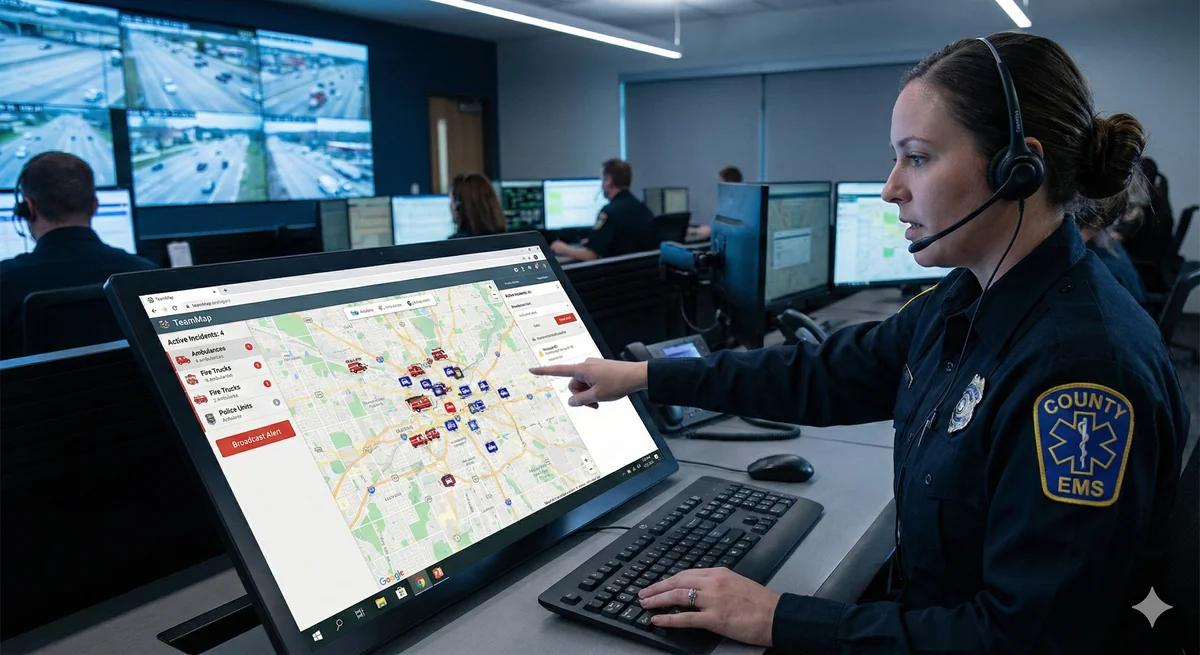
Post orders that work: ranked duties, site-specific procedures, emergency steps aligned to the client's plan, and instructions a shift can really follow.
Holiday retail security staffing is decided in September. The month-by-month plan, the buffer math, and the incentives that get guards to Christmas Eve.
Data center physical security on shift: four layers, contractor verification, tailgating, environmental alarms, and the logs an auditor will read.

Plant security that production accepts: gate speed, shipping controls, fair exit inspections, contractor rules, and the OSHA clock your officer starts.

Warehouse security that holds: gate control, dock verification, seal numbers, fair exit inspections, and camera retention that outlasts your detection lag.

The habits that hold a jobsite: one gate, a signed end-of-day check, randomized patrols with checkpoint proof, and a plan re-walked at every phase change.

Cannabis dispensary security starts with your state's rules: camera retention, cash controls, product zoning, and the records an inspector asks for.

A patrol procedures protocol you can adapt: pre-patrol checks, route variation, what to observe, how to prove the round happened, and priority-based response.
Digital security reports fix paper's four failures: unreadable, incomplete, late and separated from the photos. How to move one report type at a time.
A shift handoff SOP you can lift straight into your binder: the briefing list, joint equipment checks, two signatures, and the paid overlap the FLSA expects.

How to run HOA and residential security: gate procedure, patrol coverage you can prove, resident relations, and the limits on a guard's authority.
No agency publishes a guard turnover rate. Calculate your own, split it by tenure to find the ninety-day cliff, and cost one departure from your own ledger.
An incident response playbook template for security teams: the five-step spine plus ready steps for medical calls, trespass, theft and fire evacuation.
An overtime control policy for a guard company: what the FLSA sets, who approves a premium hour before it is worked, and how to log the reason every time.
Fewer states require a surety bond than you think. What a bond guarantees, which states ask for one, what the premium depends on, and how to stay bonded.

The five policies a guard company carries, what each excludes, and why the state minimum in California or Texas is nowhere near what a client contract asks.
ACA compliance when half your roster hovers near 30 hours: the ALE test, the look-back method, 2026 penalty amounts, and the 1095-C filing deadlines.

What a school security officer does on a K-12 campus: access control, drills, student relationships, and where private authority ends.
Live monitoring backed by a patrol officer who can be dispatched. Which clients it fits, where it fails, what to build, and four ways to price it.
Patrol route planning: ordered stops, NFC or QR proof at each one, repeat schedules, and an alert the moment a round runs late.
Property managers scan a security company website for four things: coverage area, service fit, license and insurance, and a phone number that works.
Paper logs and wands are out. An NFC checkpoint tap stamps the time and the spot, and the guard tour report writes itself for the client.

Risk assessment, a staffing number you can defend, screening throughput, crowd density and the exit plan, for concerts, festivals and corporate events.
The incident command system gives a guard force one commander, named roles and a shared vocabulary with the fire and police crews who show up.

Referrals alone are not a pipeline. Security company marketing that works: a site buyers can verify, local search, reviews, referrals and targeted outbound.

Hotel and hospitality security done quietly: lobby coverage, guest floor patrols, noise and intoxication calls, event access, and fire response.

How to plan church security without a fortress feel: build a volunteer safety team, consolidate entry, and rehearse the emergency plan.
Daily, weekly and monthly client reports each answer a different question. How to structure them, what to lead with, and how to build them from patrol data.

How to run a security company SWOT analysis in an afternoon, rank what matters, and pair the quadrants into four decisions you can act on.

Buyers want proof a patrol happened. Put GPS-verified routes and same-day reports in the bid, demo them live, and answer a cheaper offer with evidence.
Work out security guard software ROI from your own payroll: overtime, admin hours, retention, and the costs vendors leave off the slide.
Professional liability insurance pays your defense when a client says your guards failed. What E&O covers, claims-made dates, and what tail coverage costs.

A mobile patrol app comparison of TeamMap, Trackforce, GuardsPro and OfficerReports: published prices, checkpoint methods, and how to run a real trial.
What gets stolen from a jobsite, how to assess the risk at each phase, and how to choose between patrol, remote monitoring and a standing guard.
The separate company license, the firearms permit each officer carries, the coverage most carriers exclude, and the training that keeps you out of court.
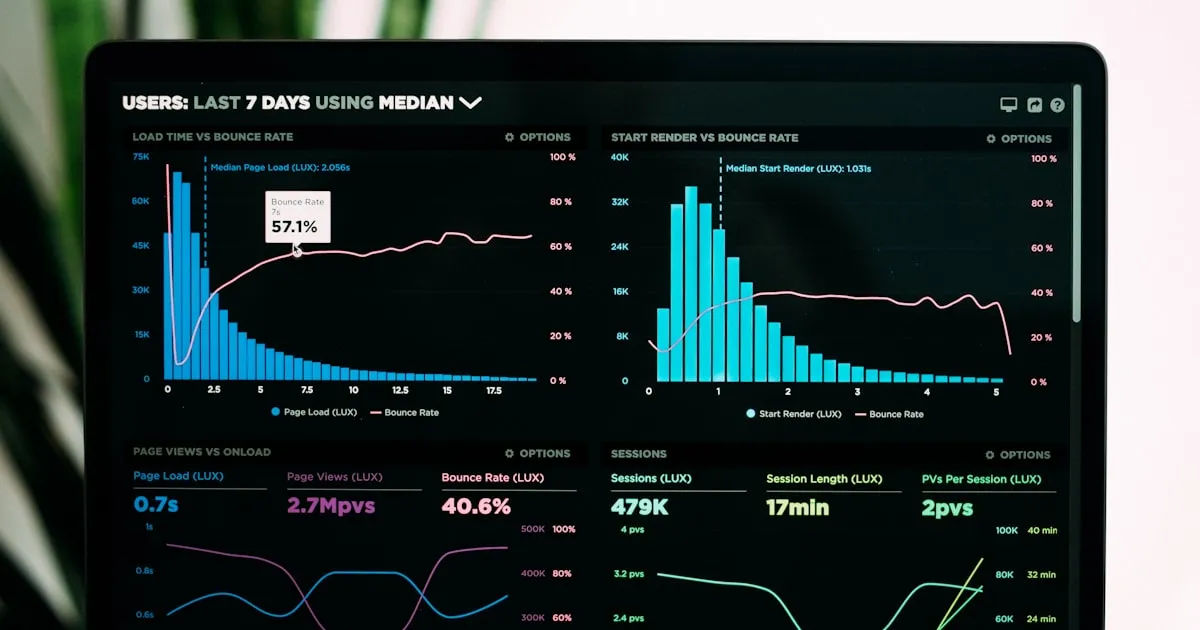
Patrol analytics in TeamMap: route, task and shift completion rates by site, the trend that shows a post slipping, and a PDF the client can read.
What a security guard service agreement must cover: scope, rates, term, insurance, liability caps, and the clauses that decide who pays.
Remote monitoring for residential security: what it replaces, when it fails, how to price the response, and what to tell the board first.

What hospital security teams plan for: workplace violence in the ED, behavioral health elopement, infant abduction drills and the privacy limits on a report.

Modern access control systems compared: mobile credentials, biometrics and Bluetooth unlock, with the legal duties and rollout traps of each.
Licensing, entity setup, insurance, the paperwork and the first contract, in the order you have to do them to get a guard company trading.

A security operations center you can afford: room layout, video management, the 4.2 FTE staffing math, and a six-month phase-in plan.
Work out what an overtime hour really costs you against the rate you bill, then use the four levers that cut the bill without losing coverage.
Wage, payroll burden, overhead and margin, in that order. Work out your real break-even per hour, then pick a billing model and a rate you can defend.
Geofencing for security operations: how big to draw the boundary, why dwell triggers beat crossings, and the log-only week that stops the alert flood.
Eight sections sized for a guard company, including the financial model where labor cost per billable hour decides whether a margin exists at all.
Workers' compensation for guard companies: NCCI class codes, the experience modifier, and why pay-as-you-go fixes cash flow without cutting your rate.
Shift schedule design for guard posts: the coverage math for a 24/7 site, 8 against 12 hour shifts, and the rotation patterns that hold a roster together.
General liability insurance for security companies: what limits clients and states require, which exclusions bite, and how to get quotes worth comparing.

Mobile patrol fleet management: buy for the route, service on the odometer, run a pre-shift inspection, and track cost per mile before you quote a route.
Security guard retention comes down to five levers: pay structure, schedule, supervisor, promotion rungs and the first ninety days. Pay alone will not do it.
GPS tracking for security guards without losing the crew: the state notice laws, the one-page policy, the three settings that matter and a staged rollout.
Security guard callouts are usually logistics, not attitude. Nine fixes that cut no-shows, plus the roster depth you need to absorb the ones left over.
Cybersecurity for guard forces: individual logins, locked work phones, and a callback rule that stops social engineering at the gate.

A security post inspection covers the guard, the post, the equipment and the paperwork, then sorts every finding into fix now, act now or send to the client.
Hiring security guards is a speed problem. Where the good candidates come from, what to ask, the FCRA rules on background checks, and the first ninety days.
Welfare check-ins for lone workers: set the interval from the real hazard, route the escalation to a named person, and test it before you rely on it.
The structure, detail and tone that make an incident report useful to a client this week and defensible when a lawyer reads it two years later.
A four-phase guard training program: pre-assignment, site-specific, supervised field time and ongoing development, with the records a state audit asks for.
Guard tour checkpoint placement decides what a scan proves: corner points, interior rooms, NFC versus QR versus GPS, and timing the route honestly.

Night patrol best practices for fatigue, light discipline, solo response and check-ins, built on what OSHA measures about night shift risk.
Build a security guard uniform standard by assignment: what to issue, how to write a checkable appearance policy, and the state rules on patches and badges.

Body cameras for security guards: what to test before you buy, what the policy must say, how consent law changes by state, and where footage lives.

The security guard equipment that matters: two ways to call for help, a light that lasts the shift, documentation tools, PPE, and issuance you can track.